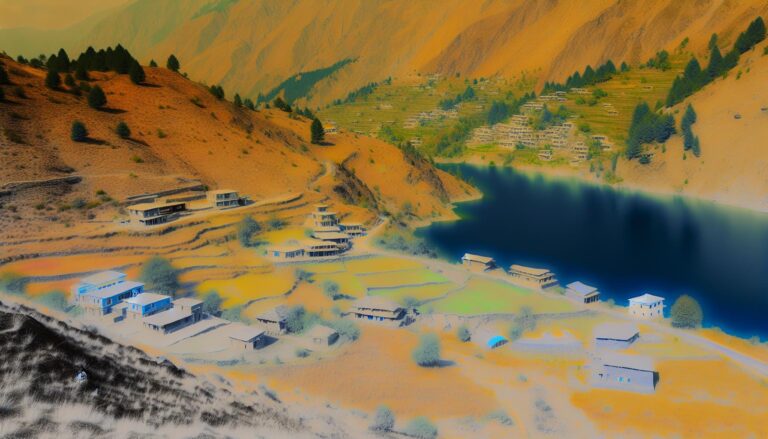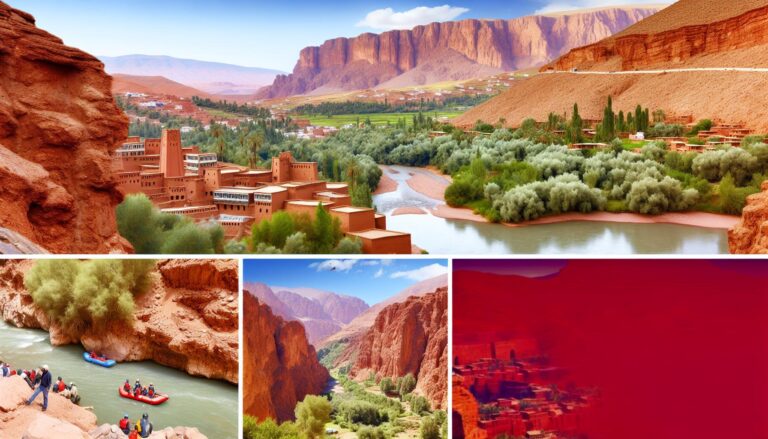
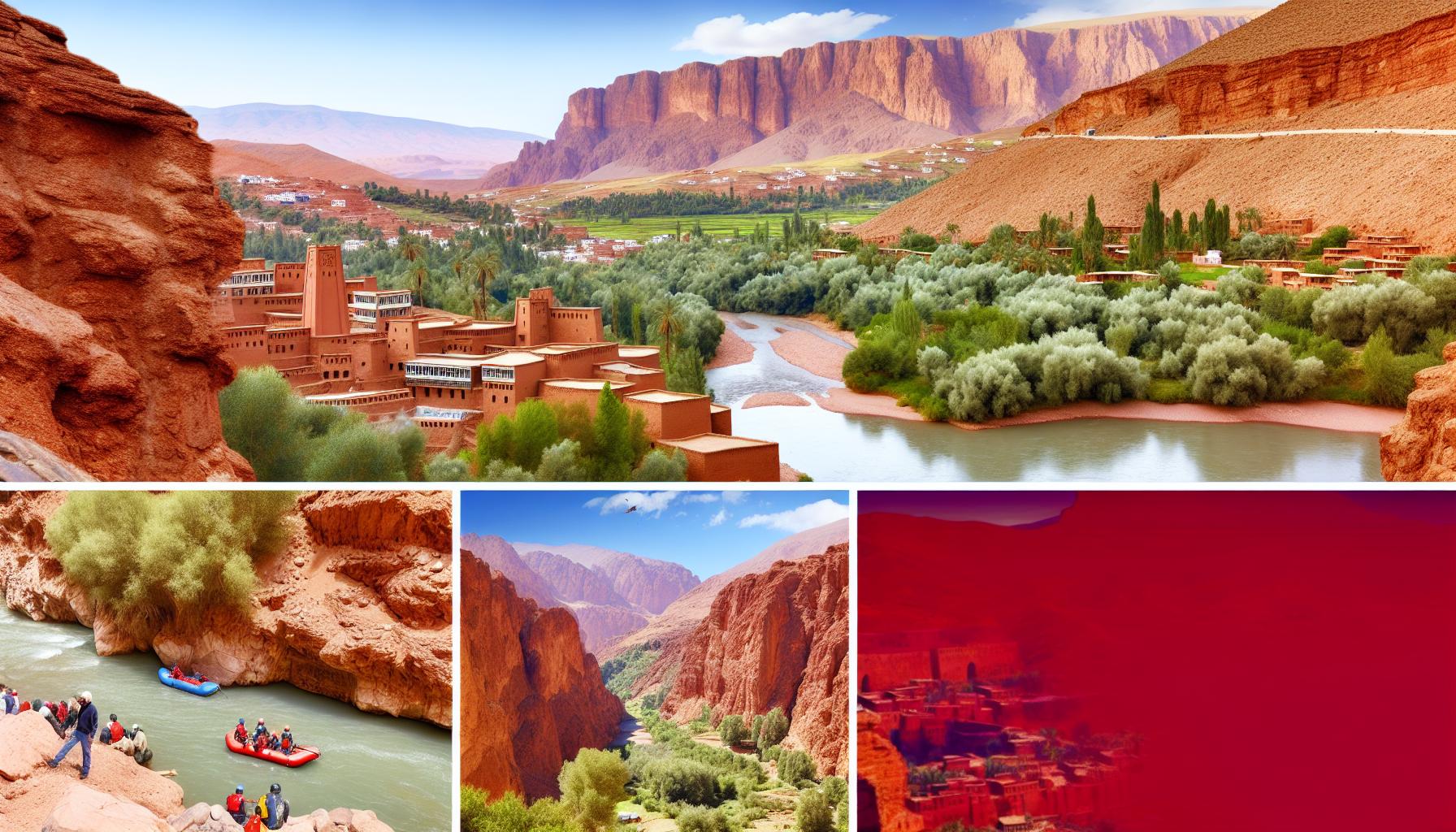
Explore the secrets of Morocco!
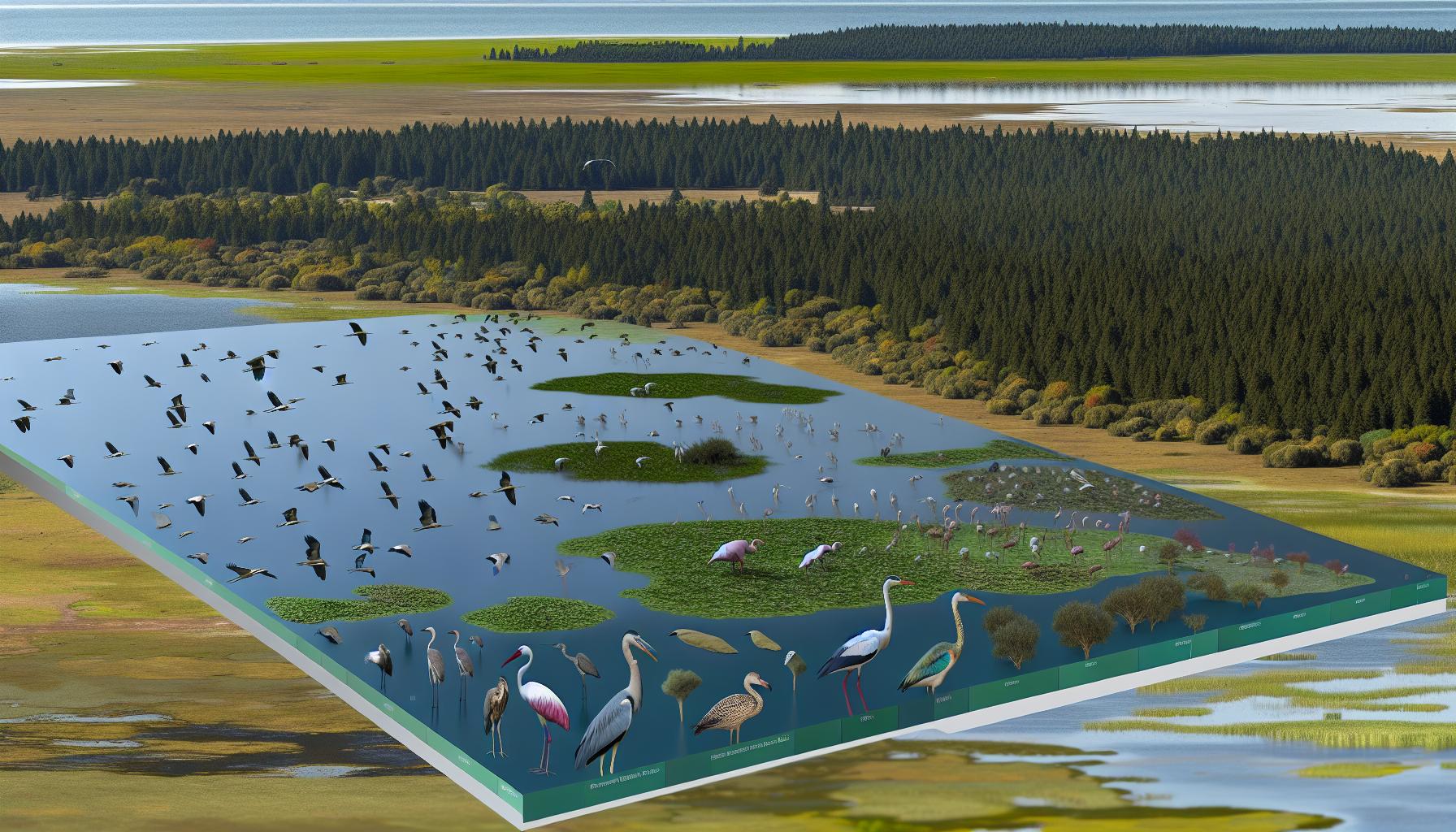
Lake Dayet Aoua, located in Morocco, is a true jewel of nature, home to exceptional biodiversity. With 140 species of birds and 37 species of mammals, this lake is a rich and varied ecosystem, providing refuge for many animal species.
Surrounded by lush forests and wet meadows, Lake Dayet Aoua is particularly popular with herons and pink flamingos. Its aquatic and terrestrial fauna is equally remarkable, making this site a must-see natural treasure in Morocco.
The waters of Lake Dayet Aoua support an incredible variety of flora, contributing to the richness of this unique ecosystem. Surrounding wetlands also play a crucial role in preserving the lake's biodiversity, home to diverse flora and fauna.
Thus, the biodiversity of Lake Dayet Aoua bears witness to the splendor of Moroccan nature, highlighting the importance of preserving these precious natural spaces. Through the next sections of this blog, we will explore in detail the different species of birds and mammals inhabit the lake, the floral composition of its surroundings, and the impact of Lake Dayet Aoua on regional biodiversity.
What species of birds inhabit Lake Dayet Aoua?
Dayet Aoua Lake is a real bird sanctuary where a great diversity of birds finds a favorable habitat. Among the most emblematic species are pink flamingos, whose seasonal colonies attract many ornithology enthusiasts.
There are also a number of anatid species, such as mallard ducks, stumps and grebs, which frequent the calm waters of the lake. This site is also a stop point for migratory birds, making it an ideal place to observe over the seasons.
The banks and wetlands welcome herons, sogrets, as well as the Europe Roller, a remarkable bird with its colourful plumage. The richness of the avian fauna of Lake Dayet Aoua perfectly illustrates the importance of this fragile ecosystem.
To learn more about Morocco's exceptional biodiversity and its essential places, please consult our article on imperial and must-see cities.
For a detailed list of the birds listed at Dayet Aoua Lake, you can also visit the specialized site BirdingPlaces Europe, a valuable resource for nature lovers and birdwatching.
What mammals do we find in the lake ecosystem?
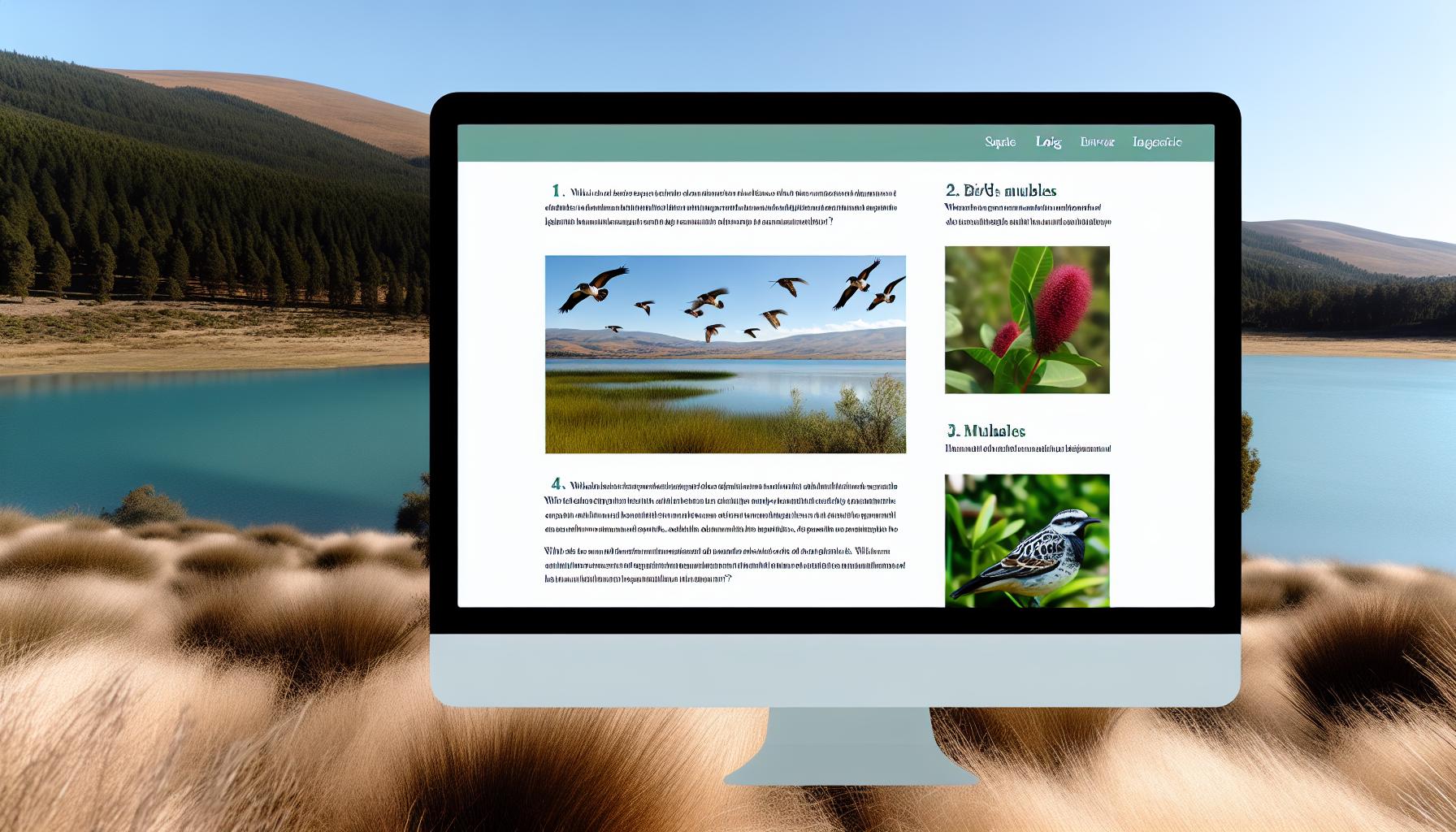
Lake Dayet Aoua is home to an interesting diversity of mammals, which play an essential role in the balance of this fragile ecosystem. Among them, we can observe species adapted to wetlands, where fresh water has great ecological value.
Among the most common mammals are the European otter, a semi-aquatic carnivore, often an indicator of water quality. It also helps regulate fish and crustaceans populations.
The dragondin, introduced but well implanted, also frequents the banks of the lake, where it builds its burrows. Its presence strongly influences riparian vegetation, sometimes at the expense of ecological balance.
Small mustelids such as snooze and genette can also be seen, seeking their food mainly at night. They thus participate in local biodiversity by limiting certain rodents and pests.
We must not forget the more errant species, such as the red fox, which uses the lake as a water and food source when it moves. These mammals testify to the connection between the lake and the entire surrounding natural territory.
To better understand the natural richness of Morocco, we invite you to discover the natural landscapes and regions to discover, where each medium reveals its own biological balance.
The conservation of these mammals is closely dependent on water and habitat quality, which are now threatened by several human factors. To learn more about the threats to freshwater species around the world, see this comprehensive article on Mr. Globalization.
Protecting these mammals in the Lake Dayet Aoua ecosystem is therefore a crucial issue, not only for maintaining local biodiversity, but also for ensuring a natural legacy for future generations.
What is the floral composition of Lake Dayet Aoua?
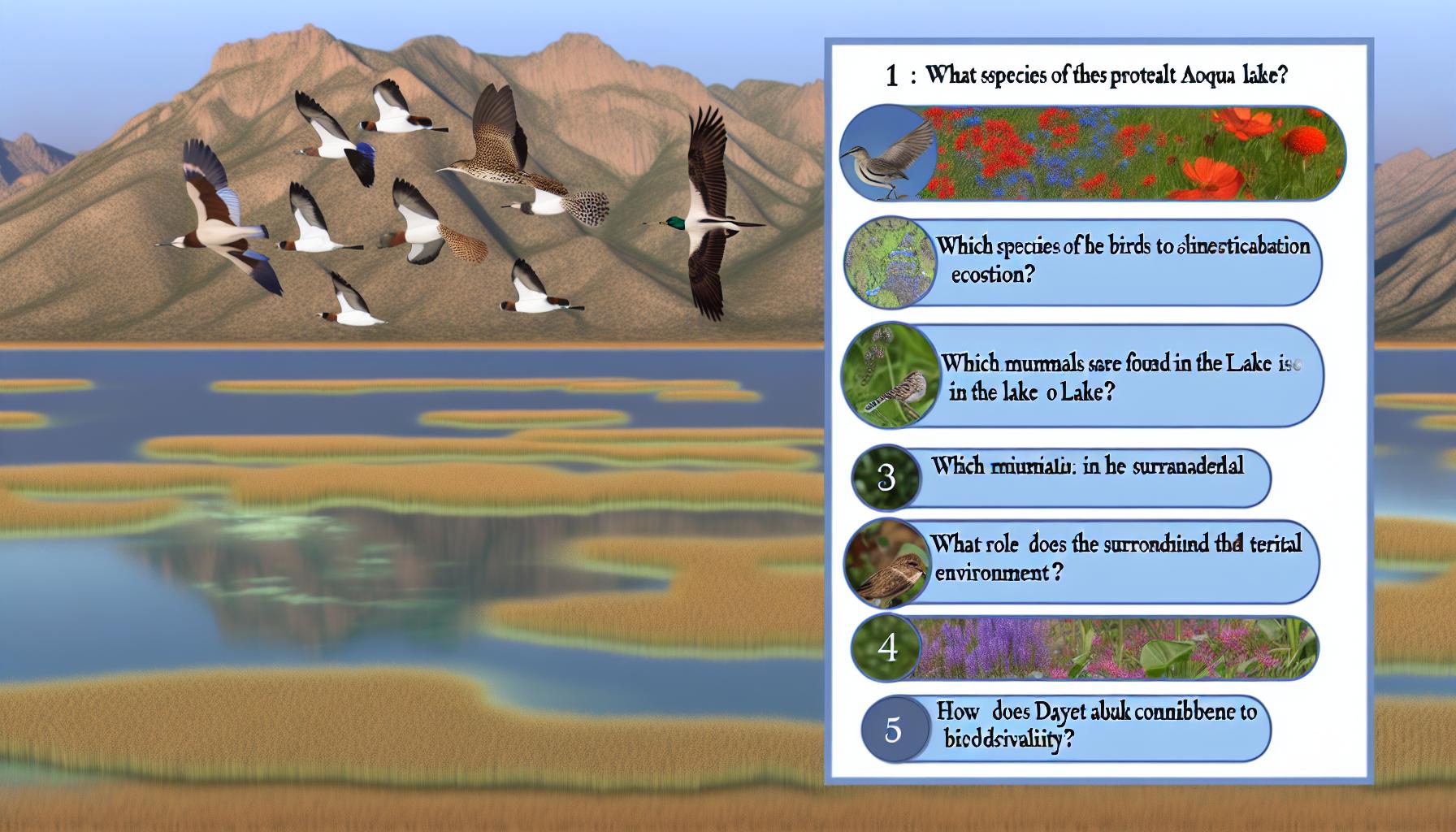
Dayet Aoua Lake, located in the Ifrane National Park, is a true sanctuary for local flora. Its floral composition is characterized by a wide variety of aquatic and semi-aquatic plants that contribute to the ecological balance of the site.
Among the most common species are reeds (Phragmites australis) that border shorelines and provide ideal habitat for many other wildlife species. There are also sedges and sedges, typical of wetlands in the region.
The vegetation around the lake also includes Mediterranean species such as junipers and green oaks, testifying to the ecological richness that one can admire during a visit to this region. To learn more about the region and its natural wonders, do not hesitate to consult our article on Ifrane, the white city.
This floral composition plays a key role in the life of the lake, including water filtration and shelter for migratory birds and amphibians. To deepen your knowledge, you can also consult the Wikipedia page dedicated to Dait Aoua.
The preservation of this unique flora is essential to maintain local biodiversity, and many efforts are under way to protect this precious ecosystem.
What role does the terrestrial environment around the lake play?
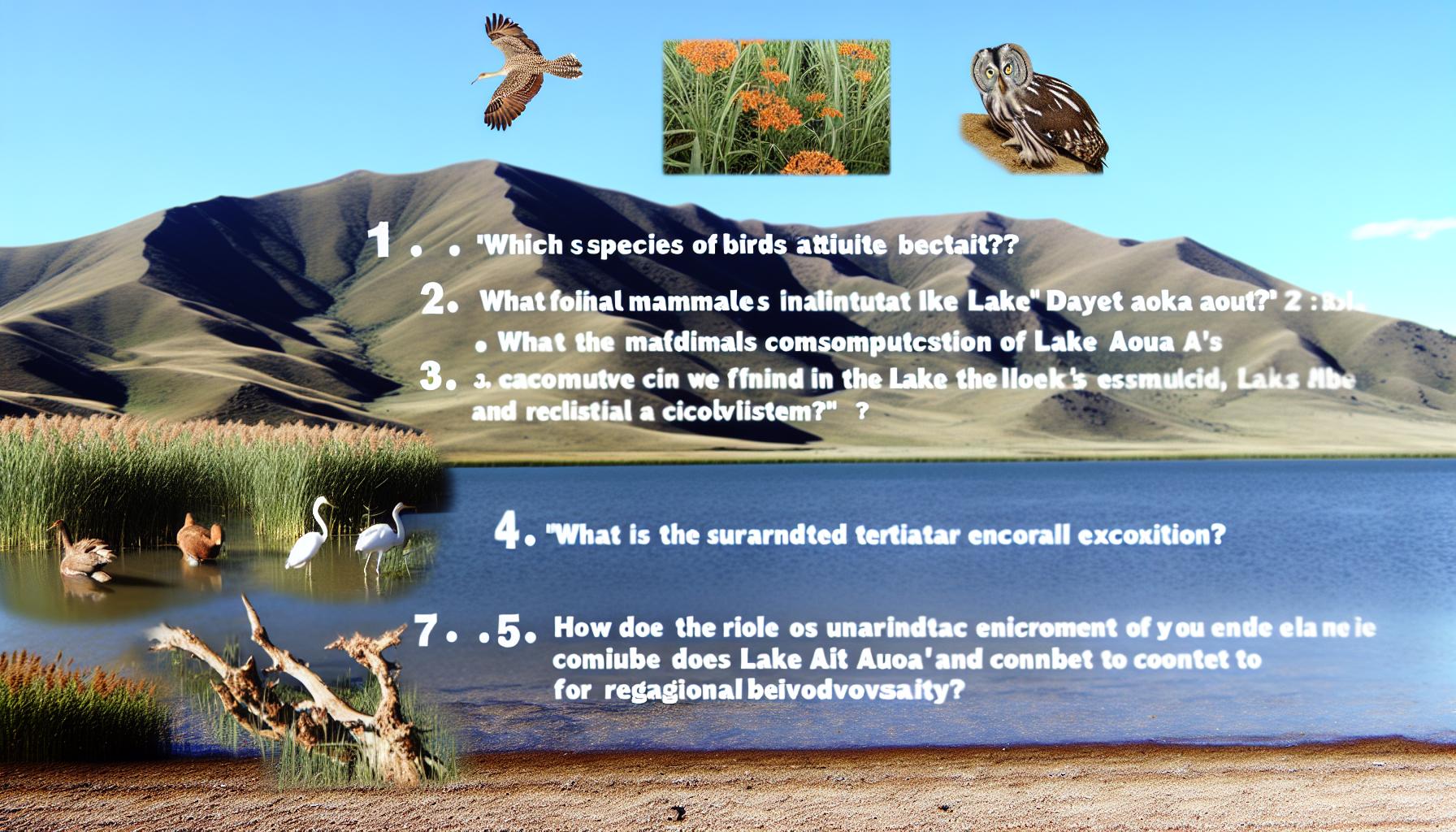
The terrestrial environment around Lake Dayet Aoua is essential to maintain ecological balance and the richness of its biodiversity. Wetlands, grasslands and nearby forests create a diverse habitat for many plant and animal species.
These spaces provide food, shelter and breeding areas for birds, mammals and insects. They also play a crucial role in water filtration and local climate regulation, ensuring the quality of lake water.
In addition, this environment serves as a natural link between the lake and other terrestrial ecosystems, fostering the biological and energy exchange necessary for species survival.
To learn more about the beautiful natural regions to discover in Morocco, do not hesitate to visit our page dedicated to natural landscapes and regions to discover.
In the face of global climate change, lakes such as Dayet Aoua are under heavy pressure, including by decreasing water resources and changing their ecosystems. You can deepen the topic by consulting this article on warming and its impacts on world lakes.
How does Dayet Lake Aoua contribute to regional biodiversity?
Dayet Lake Aoua plays a crucial role in maintaining local biodiversity through its rich and varied ecosystem. This natural water body forms an ideal habitat for many animal and plant species, thus contributing to the preservation of regional fauna and flora.
It serves as a refuge for several migratory bird species that find food and rest on their annual journey. The presence of wetlands around the lake also favours the reproduction of different aquatic and amphibian species.
The diversity of the environments around the lake makes it possible to shelter endemic and threatened species, thus enhancing the ecological value of this region. To learn more about Morocco's natural wealth, discover our article on natural landscapes and regions to discover.
Finally, the protection and sustainable management of Dayet Aoua Lake is critical to the risks of water stress, a critical issue for the conservation of biodiversity. Local and international initiatives aim to raise awareness of these issues, as explained in this detailed article on water stress in Ifrane.
In conclusion, Lake Dayet Aoua is a true paradise for biodiversity, home to an impressive variety of species of birds, mammals and plants. The lake's crystal waters attract many migratory birds, while the banks provide ideal habitat for rich terrestrial wildlife. Floral diversity also contributes to the balance of this unique ecosystem. By protecting this exceptional natural environment, we preserve not only local biodiversity, but also the entire regional ecosystem. Dayet Lake Aoua is a natural treasure to preserve for future generations.
[contact-form-7 id= »6204c24′′ title= »Subscribe to our personalized newsletter »]