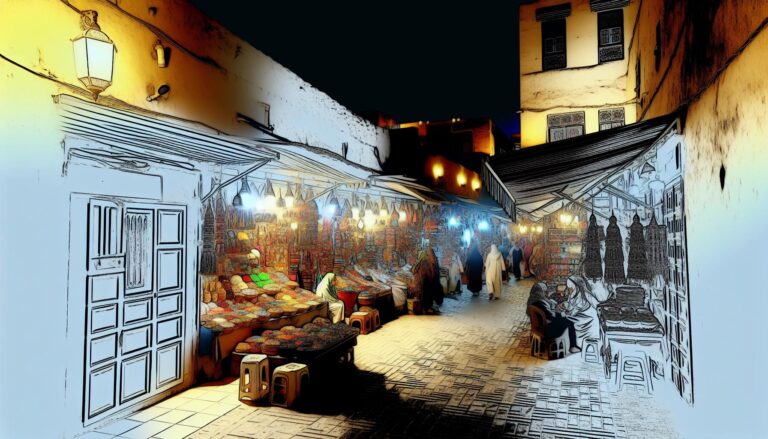
Explore the secrets of Morocco!

Welcome to our blog dedicated to traditional hammams!
You are curious to know more about the steam baths ancestrals and their multiple health benefits? You're in the right place! In this space, we invite you to dive into the fascinating universe of traditional hammams and discover their rich and captivating history.
The Roman baths To the public baths and hammams of Islamic culture, these well-being practices have traversed centuries and civilizations, offering those who frequent them moments of unrivalled relaxation and purification.
You wonder how the hammam was integrated into the Islamic culture ? Or what were the rituals and uses in a traditional hammam ? Don't worry, we will address all these and many other issues in the next sections of our blog.
Whether you are a novice in the matter or an enlightened amateur, here you will find valuable information about the different areas and their function in a hammam, as well as the many benefits of hammam for health: skin purification, muscle relaxation, inner balance, natural beauty...
So, ready to dive into the bewitching universe of traditional hammams ? Follow us on this journey to discover these jewels of the history of well-being practices.
What are the historical origins of traditional hammams?
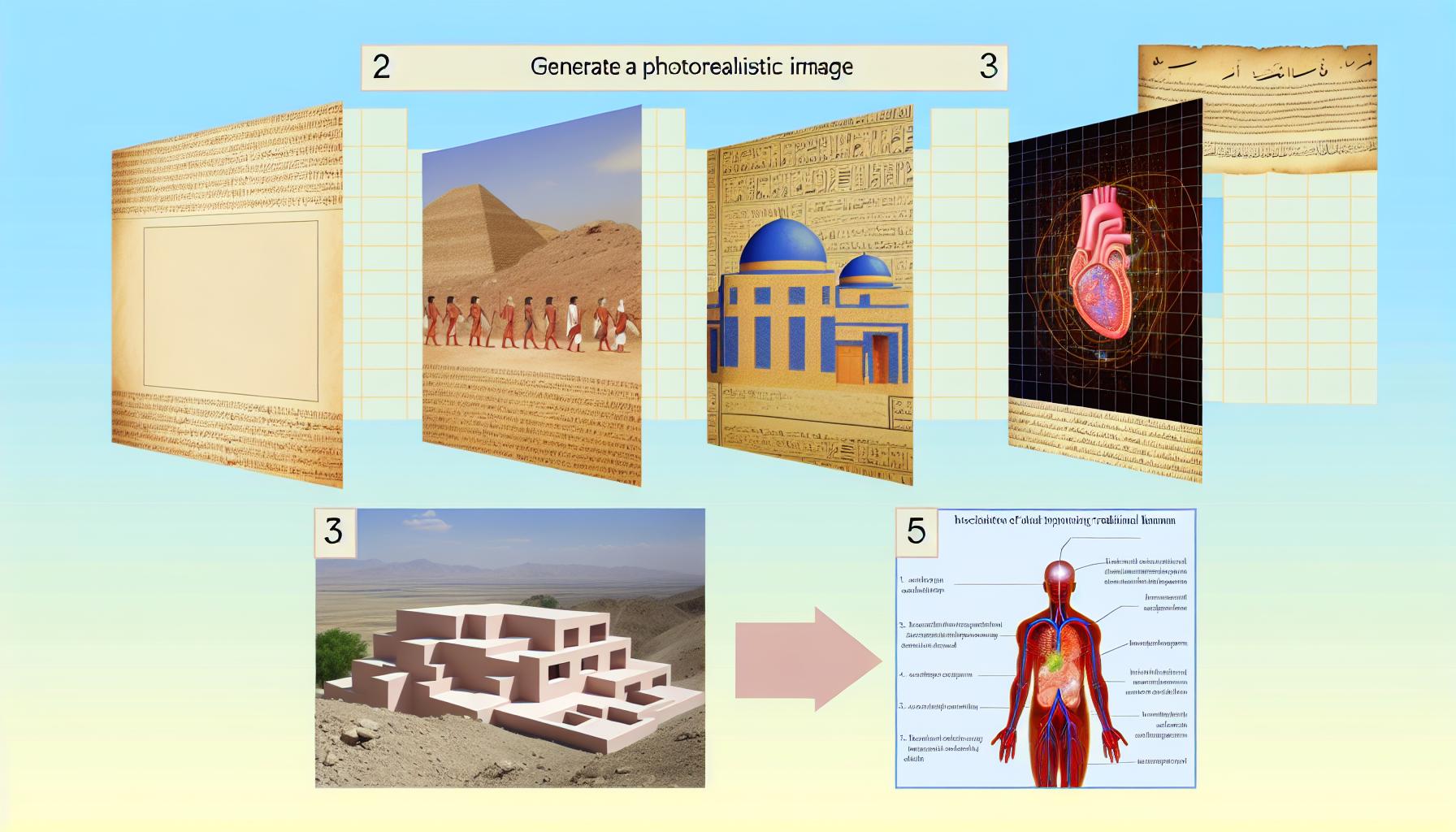
The traditional hammam derives its origins from antiquity, where Mediterranean and Middle Eastern civilizations have developed public baths both for reasons of hygiene and sociability. This place of relaxation and purification is anchored in ancient practices which are found especially in the Roman Empire with the thermal baths, and then deeply enriched under Islamic influence.
Over the centuries, hammam has been imposed in Arab-Muslim culture as a sacred space dedicated to body well-being and spiritual purification. It becomes a real place of social gathering, especially in Moroccan imperial cities where its architecture, often remarkable, reflects ancestral know-how.
To better understand the importance of hammam in Moroccan heritage, visit the ancient cities like Fez offers authentic diving into history and tradition.
The origins of the hammam are also linked to rituals of care and purification, which have passed through the ages, preserving this vocation that combines hygiene, spirituality and social bond. If you want to deepen the detailed history of this universe, you can consult this Wikipedia page dedicated to hammam, which offers a complete synthesis on the subject.
How did the hammam fit into Islamic culture?

Hammam, much more than just a bath, is deeply rooted in Islamic culture. Its integration dates back to the early centuries of Islam, where it quickly took an essential place in the daily life of Muslim communities. More than a space of hygiene, hammam is a place of purification, in accordance with religious principles and ritual practices.
Historically, the hammam is inspired by the Roman and Byzantine baths, but it stands out by responding to the specific needs of Islamic practice, including the ghusl (great ablution). This heritage has enabled the hammam to become a must-have place to purify itself before prayer, thus strengthening its spiritual importance.
Over time, hammam has also been imposed as a social space, promoting exchanges between men and women in defined times, while respecting codes of modesty and cultural norms. Thus it plays a crucial role in maintaining the community bond and in the transmission of customs.
If you want to deepen the visit of hammams and discover their presence in the major cities of Morocco, our article on Fes and his old medina offers a fascinating overview of these still alive traditions.
To learn more about the origin and history of hammam in the Islamic world, see also this comprehensive external resource: History of hammam on Wikipedia.
What are the rituals and uses in a traditional hammam?

The traditional hammam is much more than just a steam bath: it is a real ritual of purification and well-being rooted in Mediterranean and Middle Eastern cultures. It is a moment of deep relaxation where gestures, products and atmosphere play an essential role.
The ritual often begins with a passage in a warm room, called the hat, where the body gets used to the heat before entering the warmest room. This step prepares the skin to open the pores thanks to the steam of hot water.
Then a scrub kessa, a traditional rough glove, is realized. This exfoliating gesture eliminates dead cells and stimulates blood circulation. It is often accompanied by the application of black soap, a natural product based on black olives that allows deep cleaning.
After this treatment, it is common to rinse with hot and cold water, which strengthens the skin and stimulates the thermal exchange of the body. You usually end with a rest phase to fully enjoy the relaxing benefits of hammam.
Some hammams also offer argan oil massages or special treatments, deepening the experience. To discover more addresses and tips for your stay in Morocco, especially at Marrakech, the red cityThis article will help you.
To deepen your knowledge of these ancestral rituals, you can also consult specialized resources such as Rituals – Hammam Collection, which offers a full range of products inspired by the Eastern tradition.
What are the different areas and their function in a hammam?

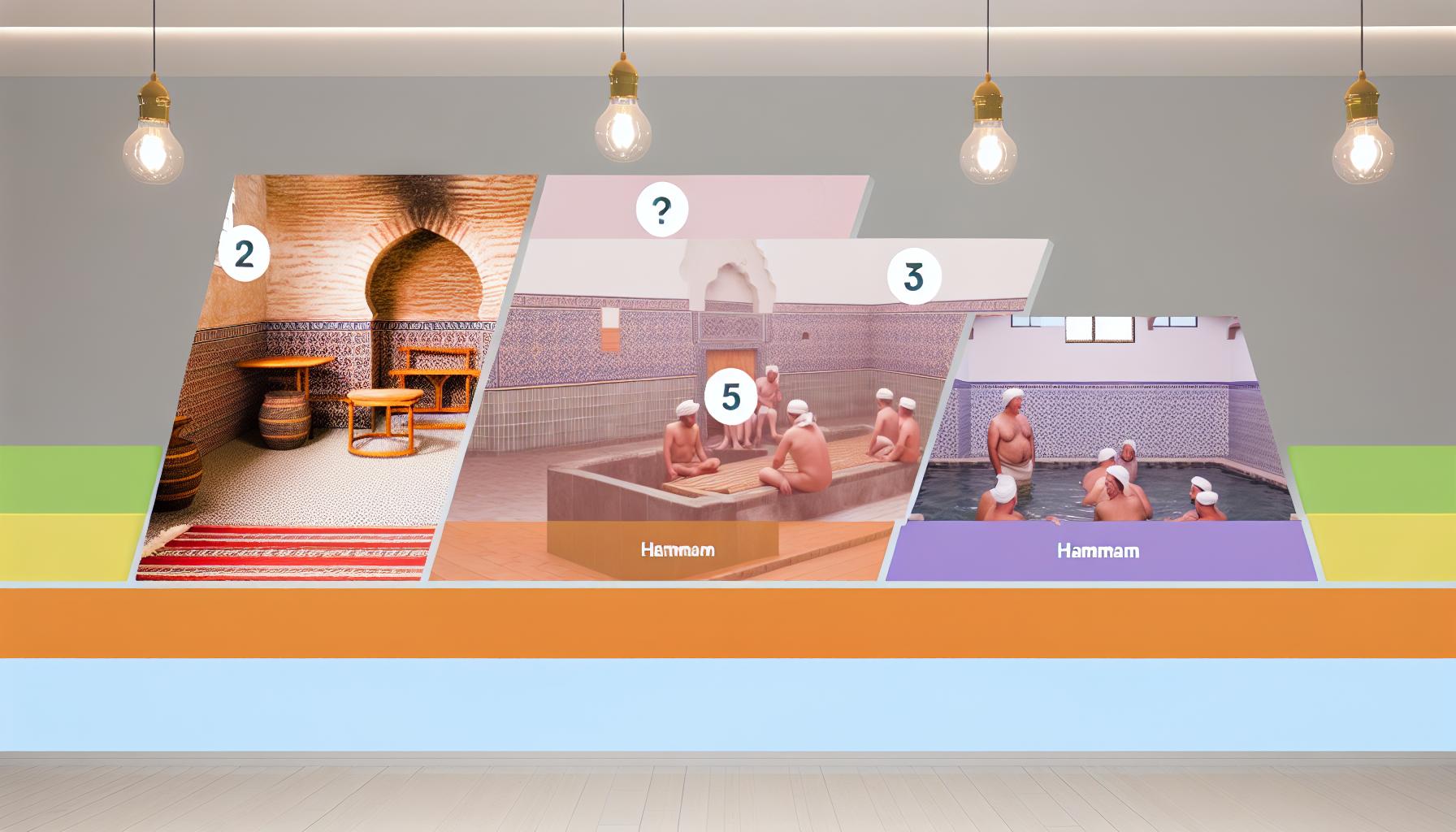
The traditional hammam is organized into several distinct areas, each having a specific role in the ritual of purification and relaxation. Understanding these spaces makes it possible to fully appreciate this ancestral experience.
The first area, called the hot room or caldarium, is heated by a wet steam source. It is here that the body begins to relax thanks to the heat, stimulating the blood circulation and opening pores.
Then we find the warm room or tepidarium. This room serves as a transition between intense heat and freshness, allowing the body to balance its temperature gradually.
The cold room, or Frigidarium, close the session. It promotes closure of pores and invigorates the body after exposure to heat. This is an important moment to revitalize the skin and immune system.
In addition, some hammams incorporate spaces dedicated to massages and scrubs, aware of the importance of these treatments for optimal skin exfoliation.
To learn more about the cultural riches and traditions to discover, especially in cities like Chefchaouen: The Blue City, do not hesitate to consult our other articles.
Finally, if you want to understand more about the history and origins of hammams, the Wikipedia page Hammam offers an excellent detailed resource.
What are the health benefits of hammam practice?
Regular hammam practice offers many benefits to physical and mental health. Indeed, wet heat promotes muscle relaxation and improves blood circulation.
This moment of intense relaxation also helps to eliminate toxins through sweating, thus helping to purify the skin and reveal a brighter complexion.
Hammam is also recognized for its beneficial effects on the respiratory system, including hot steam that helps decongest the nasal tract and facilitates breathing.
On the psychic level, this experience reduces stress and anxiety, offering an ideal break for mental well-being and deep relaxation.
For those who wish to deepen their discovery of Morocco and its traditions, do not hesitate to visit our articles on imperial and must-see cities, where the hammam holds a central place in the local culture.
To learn more about the benefits of hammam, you can also consult this specialized article which details the many virtues of this millennium tradition.
In conclusion, traditional hammams are much more than just places of relaxation. Their rich history and their integration into Islamic culture make them places full of traditions and millennial rituals. The hammam session is a real experience for the body and mind, offering many health benefits. Exploring the different areas and their functions in a hammam allows you to better understand the importance of each stage of the ritual. In short, going to a traditional hammam is a unique opportunity to dive into a world of relaxation and purification.
[contact-form-7 id= »6204c24′′ title= »Subscribe to our personalized newsletter »]