Explore the secrets of Morocco!
Welcome to our blog dedicated to crafts and Moroccan markets, a world rich in colours and traditions. Moroccan craftsmanship is renowned for its diversity and quality, offering a multitude of unique and authentic craftsmanship.
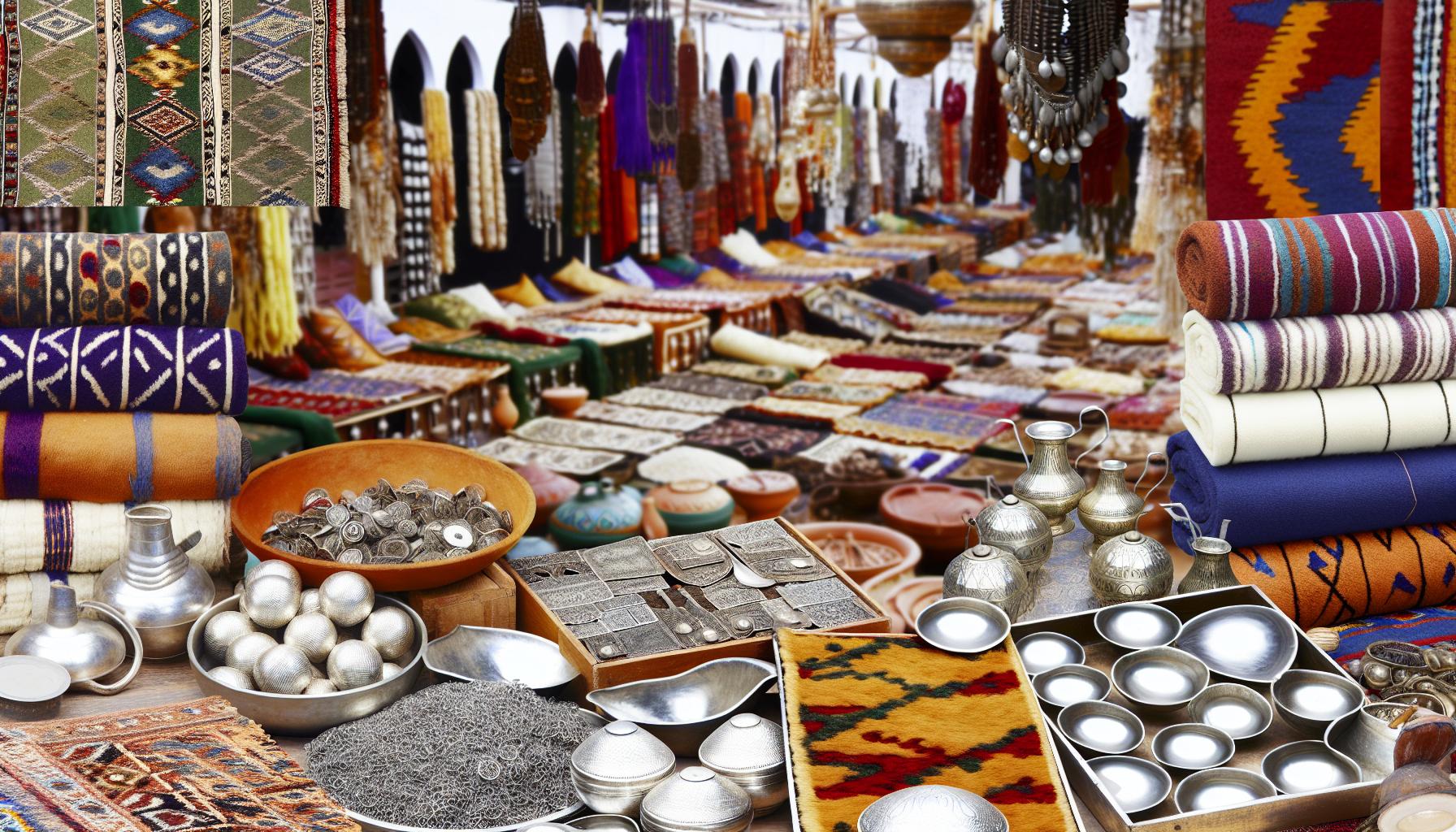
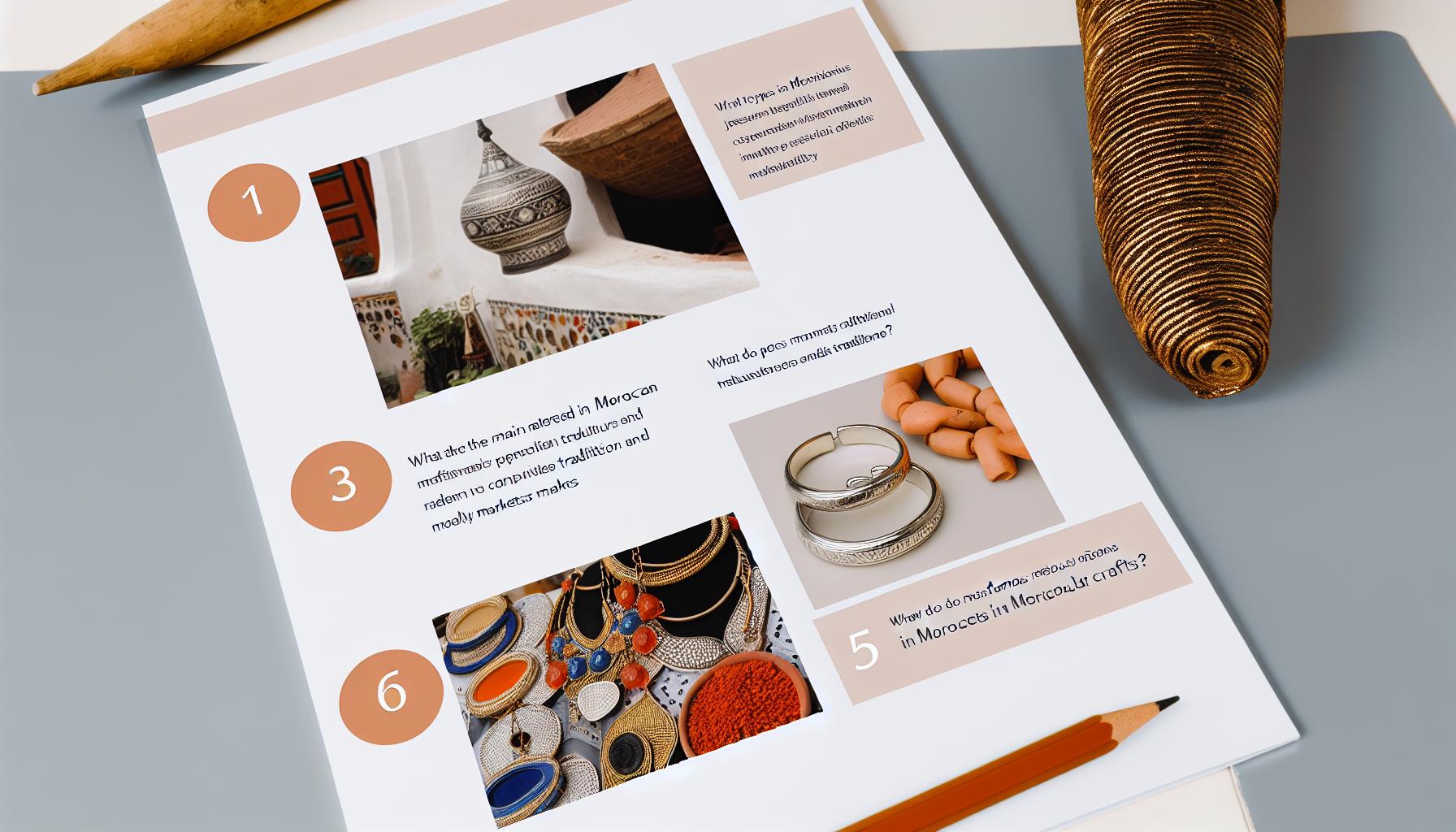
The markets in Morocco, also known as souks, are full of treasures such as finely worked silver jewellery, carpets with complex motifs, artisanal leather with great finesse, and pottery with vibrant colours. Each craft product tells a story and reflects the exceptional know-how of local artisans.
The traditional Moroccan craft is a true symbol of the country's cultural heritage, but it also knows how to adapt to modernity. Moroccan artisans skillfully combine traditional techniques with contemporary touches, creating unique pieces that appeal to art lovers around the world.
Local markets, especially those in Marrakech, offer a true immersion in Moroccan artisanal tradition. You can stroll through the colourful stalls, discover authentic craft shops and be seduced by the local specialities of each region.
On our blog, we will explore in depth the various aspects of Moroccan craftsmanship, from the main materials used to traditional jewellery to the most famous regions for their craftsmanship. Join us for a fascinating trip to the heart of Moroccan crafts and markets.
What are the main materials used in Moroccan crafts?
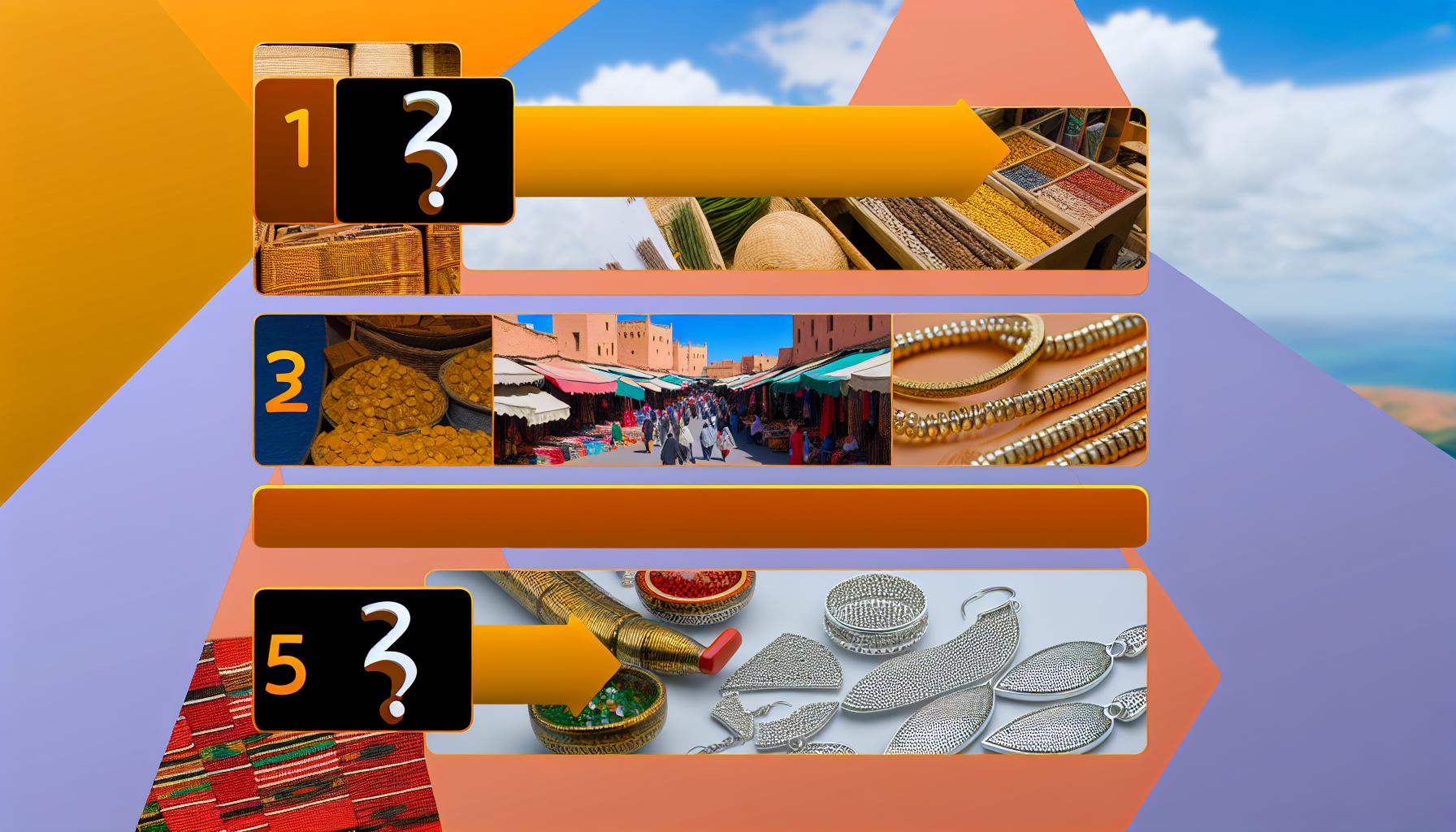
Moroccan craftsmanship draws its authenticity from the use of natural and local materials, often inherited from a rich ancestral tradition. These materials give shaped objects quality and beauty that appeal to both the premises and visitors.
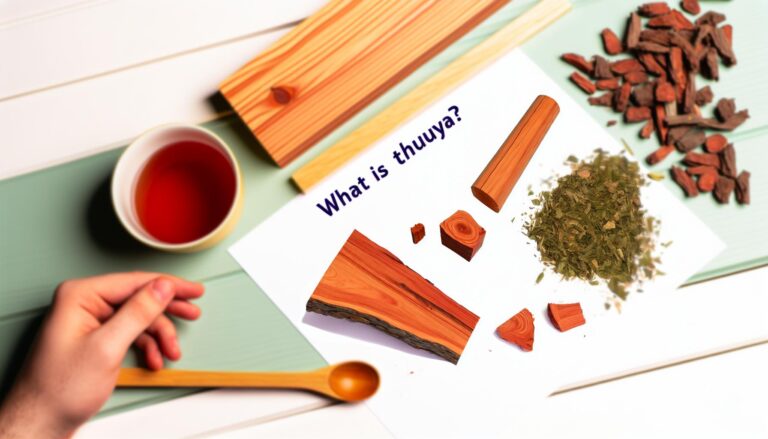
The wood, including the cedar of the Middle Atlas, is extensively worked to create furniture, chests and decorative objects. Its resistance and its beautiful shade make it a privileged choice for artisans.
Leather is also an iconic material. In cities like Fès or Marrakech, it is transformed into babouches, bags or ottomans thanks to a unique know-how.
Ceramics, on the other hand, are shaped with local clay, coloured and enamelled to give birth to the famous dishes, tiles and pottery typical of Moroccan souks. You can discover more about the current trends in pottery and crafts in Marrakech on this external site.
Finally, textiles made of wool or natural cotton occupy an important place, offering carpets, blankets and clothing often decorated with traditional motifs. To explore more about Moroccan crafts, do not hesitate to read our article dedicated to the Moroccan markets and crafts.
How do markets influence Moroccan artisanal tradition?
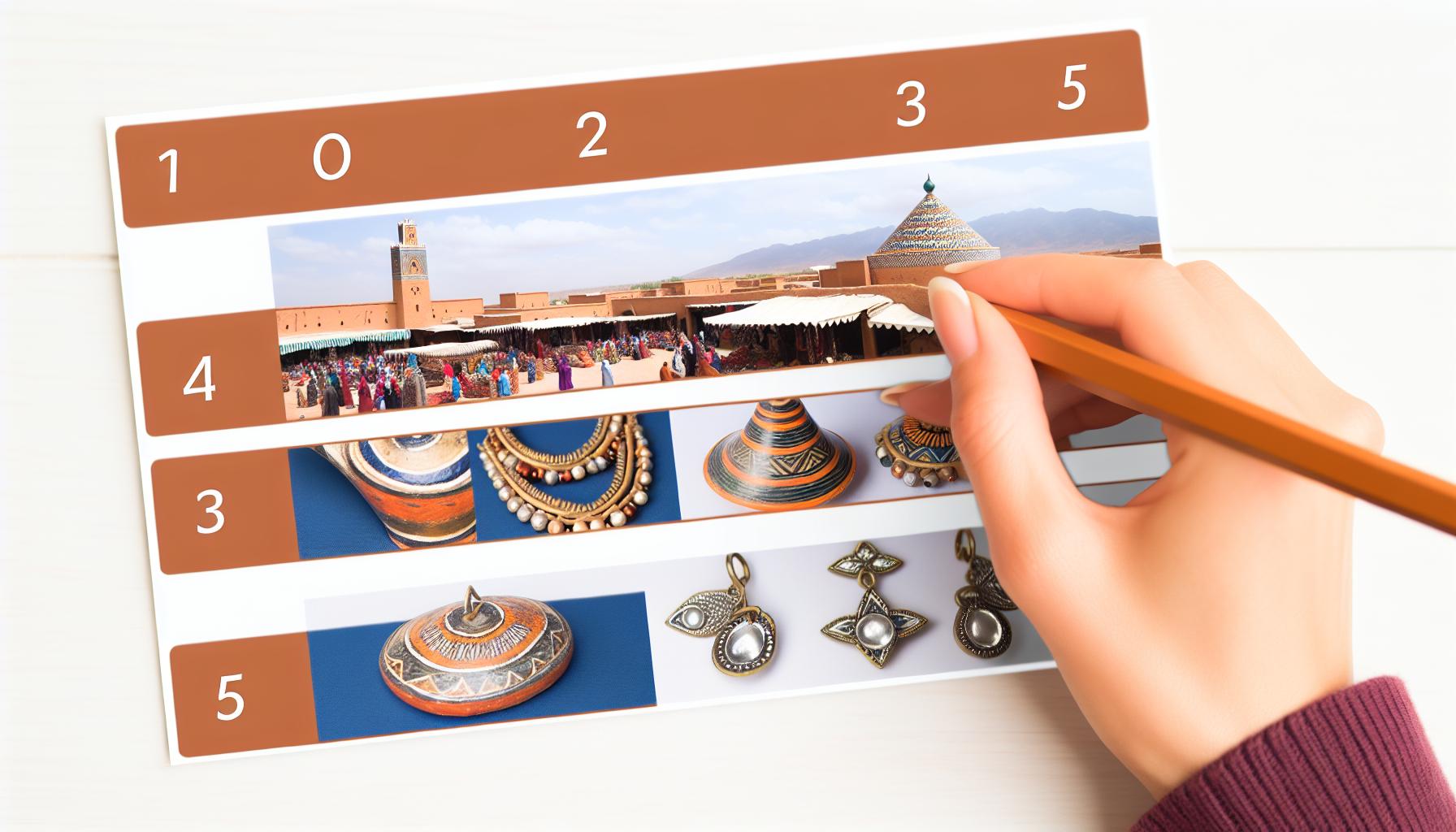
Moroccan markets play a crucial role in the preservation and dissemination of artisanal tradition. These living and dynamic spaces allow artisans to present their ancestral know-how, often transmitted from generation to generation.
The constant presence of local and international tourists in souks fosters direct interaction between artisans and buyers, which encourages the manufacture of genuine objects adapted to current expectations. This human contact is an essential lever to maintain the authenticity of traditional creations.
However, given the rise in e-commerce and industrial production, artisans often have to innovate to meet the demands of an increasingly competitive market. This development can also drive new trends while preserving the essence of Moroccan crafts.
To better understand the importance of markets in the cultural and economic context, it is interesting to explore the imperial and must-see cities, where these craft traditions radiate the most. These destinations offer a complete overview of the country's artisanal wealth.
To deepen the national strategy to support Moroccan crafts, you can consult official resources such as the craft strategy set up by the government.
What types of traditional jewellery are found in Moroccan markets?
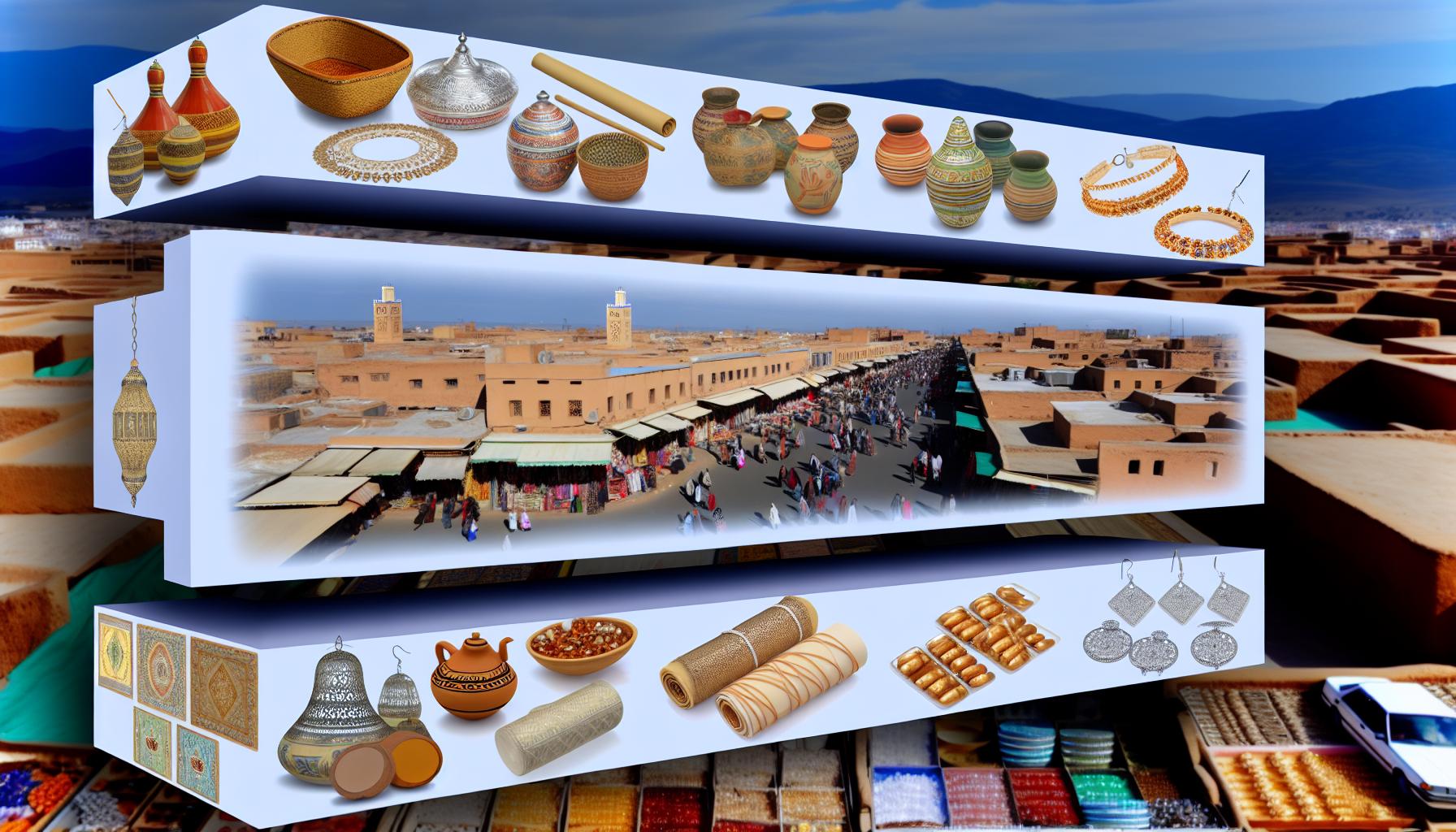
Moroccan markets are full of artisanal treasures, among which traditional jewels hold a place of choice. These unique pieces are often hand-made, reflecting an ancestral know-how transmitted from generation to generation.
Among the most common jewels are silver necklaces decorated with semi-precious stones, such as coral or amber, very popular for their supposed virtues and aesthetics. The rigid watermark bracelets, made by specialized artisans, are also very popular in souks.
Fatma's hand-shaped rings and pendants, a protective symbol very present in Morocco, are essentials that you will discover in almost every city in the kingdom. These jewels, often inlaid with Berber motifs, bear witness to a rich local culture.
If you want to learn more about Moroccan traditions and crafts, don't hesitate to visit our full article on Moroccan crafts and markets.
For a more contemporary overview of Moroccan jewellery and its trends, you can also consult this very informative external report: Moroccan jewellery: export booms.
Exploring these markets is also about offering an authentic experience and immerse yourself in the heart of Morocco's living traditions, whether in Marrakech, Fez or Tangier, cities where local craftsmanship shines with its diversity and richness.
How do Moroccan artisans associate tradition and modernity in their work?
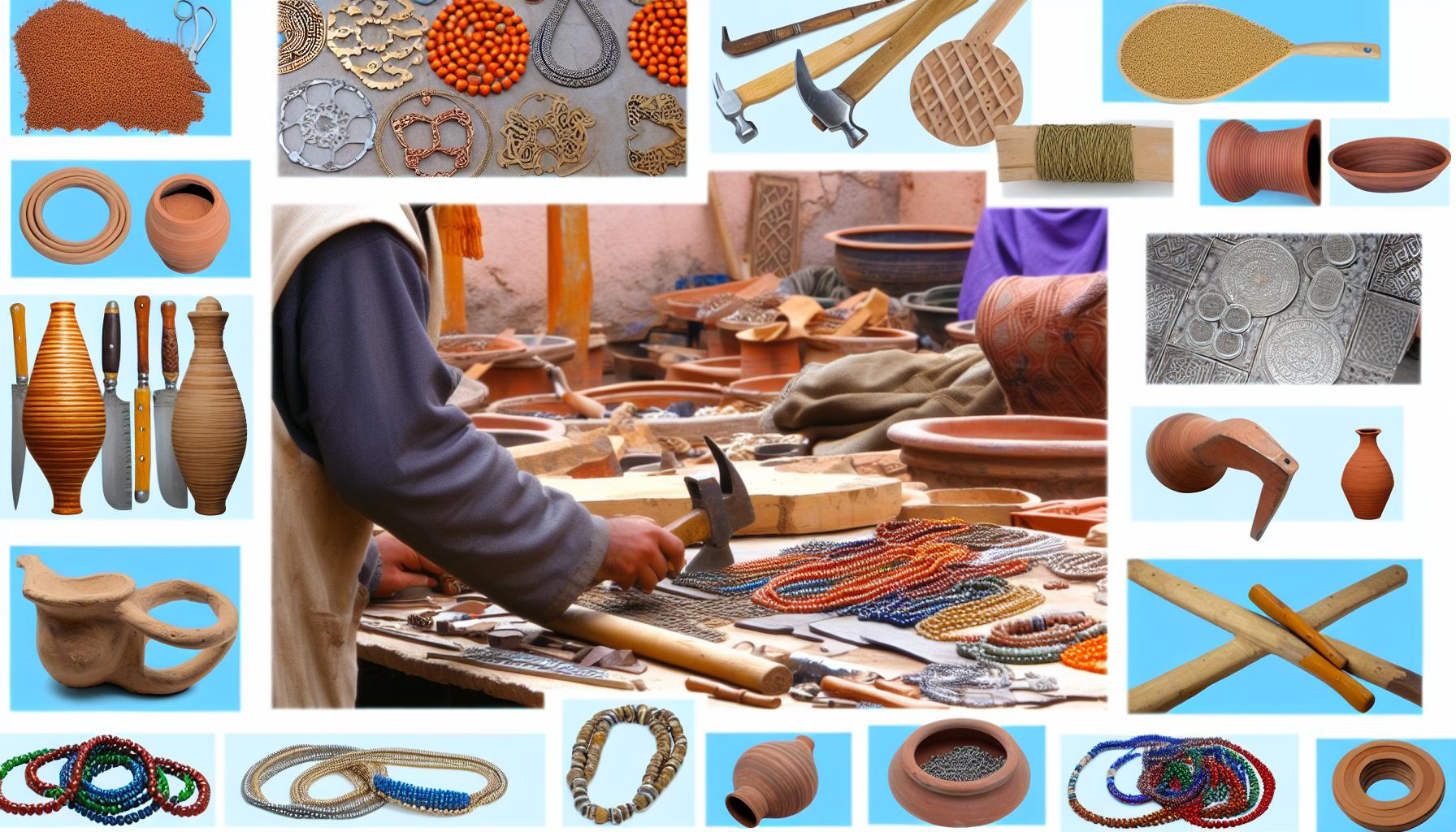
At the heart of traditional souks and markets, Moroccan artisans keep alive ancestral techniques that are transmitted from generation to generation. Their authentic know-how is the result of a long cultural history that values excellence and respect for raw materials.
However, these craftsmen are not limited to tradition alone. They also incorporate modern elements into their work, whether in the design of objects, the use of contemporary tools or the diversification of materials used. This hybridization allows us to meet the expectations of an increasingly demanding local and international clientele.
For example, in dynamic cities like Marrakech or Chefchaouen, artisans and young designers collaborate to reinterpret pottery, weaving or leather goods, combining traditional motifs and contemporary trends.
This duality between past and present is also visible in their relationship to trade. The use of the Internet and social networks facilitates the visibility of their work beyond Moroccan borders, while giving a new life to craft products in a globalised market.
To learn more about the wealth of Moroccan markets and crafts, discover our section dedicated to Moroccan crafts and markets. You will find complete immersion in this fascinating world.
Finally, to better understand the challenges facing these artisans in their quest for a balance between tradition and innovation, we recommend this in-depth analysis on the guardians of Moroccan artisanal heritage.
Which Moroccan regions are the most famous for their craftsmanship?
Morocco is full of regions where traditional crafts are not only a major economic activity, but also a true vector of culture and identity. Among the most famous, the city of Fez is particularly distinguished. Renowned for its old medina A UNESCO World Heritage Site, it is a home of artisans specialized in pottery, leather work and the manufacture of traditional textiles.
Further south, Marrakech, known as the « Red city », is a high place of Moroccan craftsmanship. Its dynamic souks offer a wide range of hand-made objects: Berber carpets, silver jewellery, leather luminaires and carved wooden objects. This wealth reflects the cultural diversity of the region.
To the north, the region of Chefchaouen, famous for its blue walls, offers a more intimate craft often focused on weaving and wool objects. To discover these unique creations, it is advisable to visit its traditional markets and shops.
Finally, the Meknes region is also famous for its artisans who perpetuate ancestral know-how, particularly in the field of iron and copper work. This region is an integral part of the Imperial cities to visit for anyone passionate about Moroccan craftsmanship.
To deepen your knowledge of the artisanal riches of Morocco, we invite you to consult resources such as Visit Morocco – Traditional craft revisited. This external link offers an excellent overview of the evolution and modernization of crafts in Morocco.
In conclusion, Moroccan craftsmanship is a true cultural richness that is reflected through the materials used, traditional jewellery and craft techniques transmitted from generation to generation. Moroccan markets play an essential role in preserving this tradition by offering a showcase for the works of local artisans. The latter brilliantly succeed in combining tradition and modernity in their creations, thus offering unique and authentic pieces. The Moroccan regions, such as Fez, Marrakech and Essaouira, are particularly renowned for their exceptional craftsmanship. Going through these markets inevitably plunges into a fascinating universe where each object tells a story.
[contact-form-7 id= »6204c24′′ title= »Subscribe to our personalized newsletter »]