Explore the secrets of Morocco!
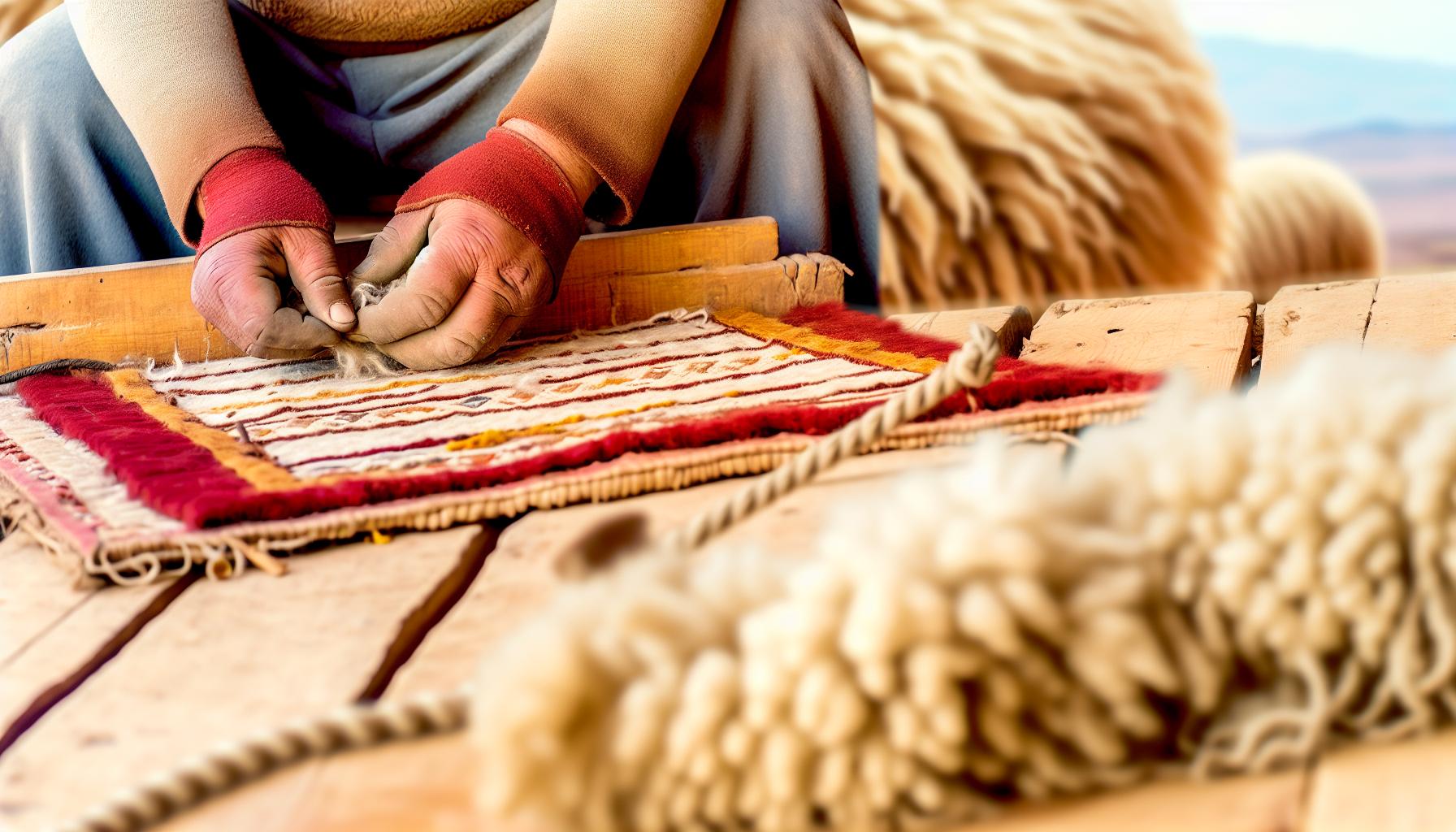
Dive into the fascinating universe of manufacturing Berber carpets with our new blog! A result of traditional techniques transmitted from generation to generation, this Moroccan craft is full of history and unique know-how.
The Berber carpets are created by hand from sheep wool coming from the Atlas mountains, offering incomparable quality. Each carpet tells a personal and cultural history, reflecting the traditions and beliefs of the Berber culture.
You will be amazed by the process of Hand weaving carpets, a real work of passionate artisans. Find out how geometric patterns come to life under their skillful fingers, resulting in unique and authentic works.
The careful selection of the sheep wool choice of dyeing techniques in use, each step in the manufacture of Berber carpets is meticulously thought out to ensure exceptional quality.
By exploring the different stages of manufacturing, you will understand the importance of preserving this Traditional crafts which makes the reputation of Moroccan carpets. Also discover how carpets are completed and preserved to ensure their longevity and shine.
What are the origins of Berber carpets?
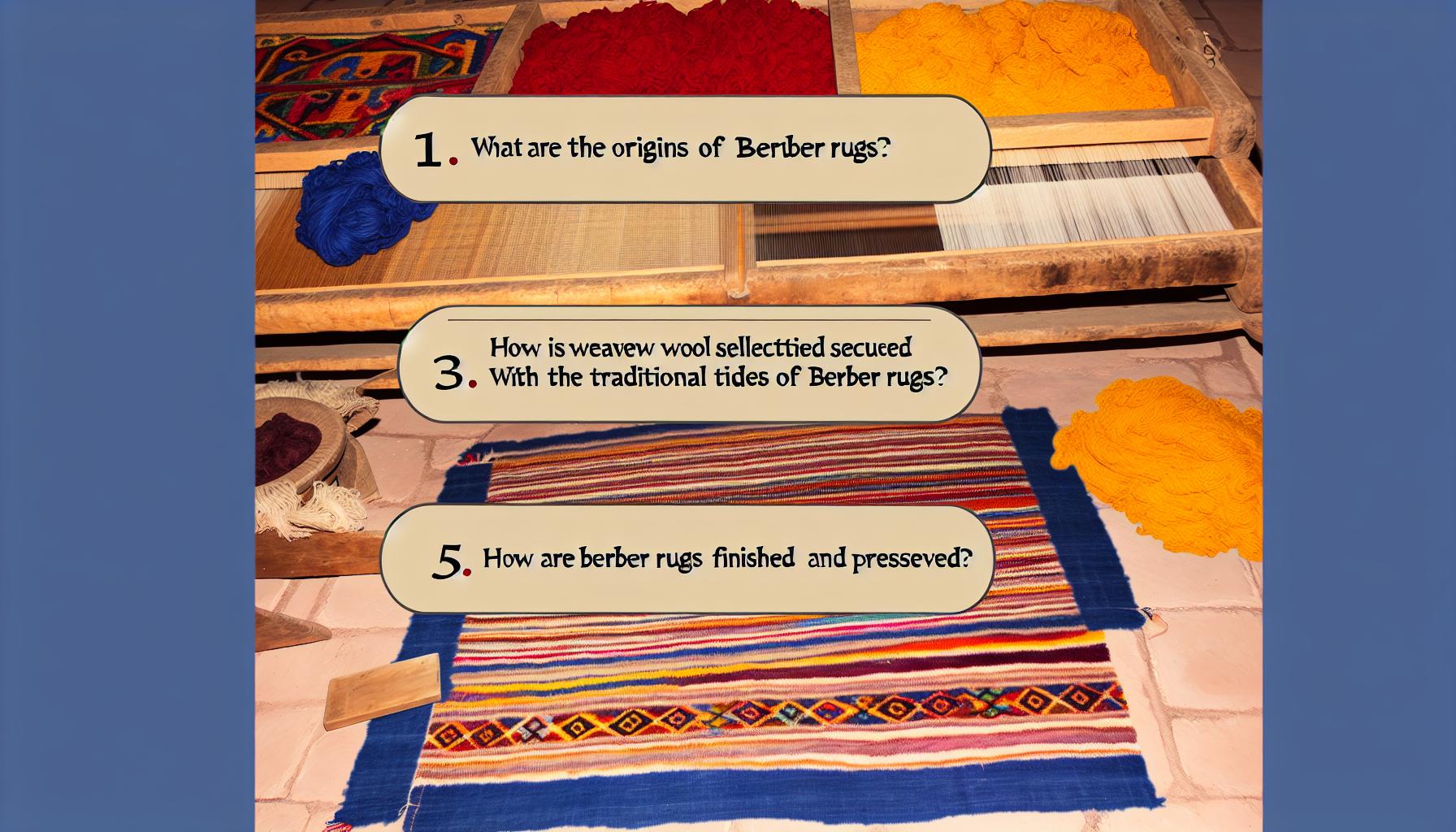
Berber carpets have their roots in the Atlas Mountains, where the Berber tribes of Morocco have been perpetuating this ancestral art for centuries. These carpets are not only decorative objects, but they also tell the history and traditions of these communities with their unique and symbolic motifs.
Made by hand, often with natural wool dyed with traditional dyes, each carpet reflects the identity of a specific tribe. These creations are passed on from generation to generation, reflecting cultural values, beliefs or sometimes personal stories.
To learn more about Moroccan crafts and markets where these beautiful carpets are found, don't hesitate to visit our section Moroccan crafts and markets, a true plunge into the vibrant world of Morocco.
For a more detailed description and additional historical information, see this article on Wikipedia – Berber carpet.
How is wool selected for Berber carpets?
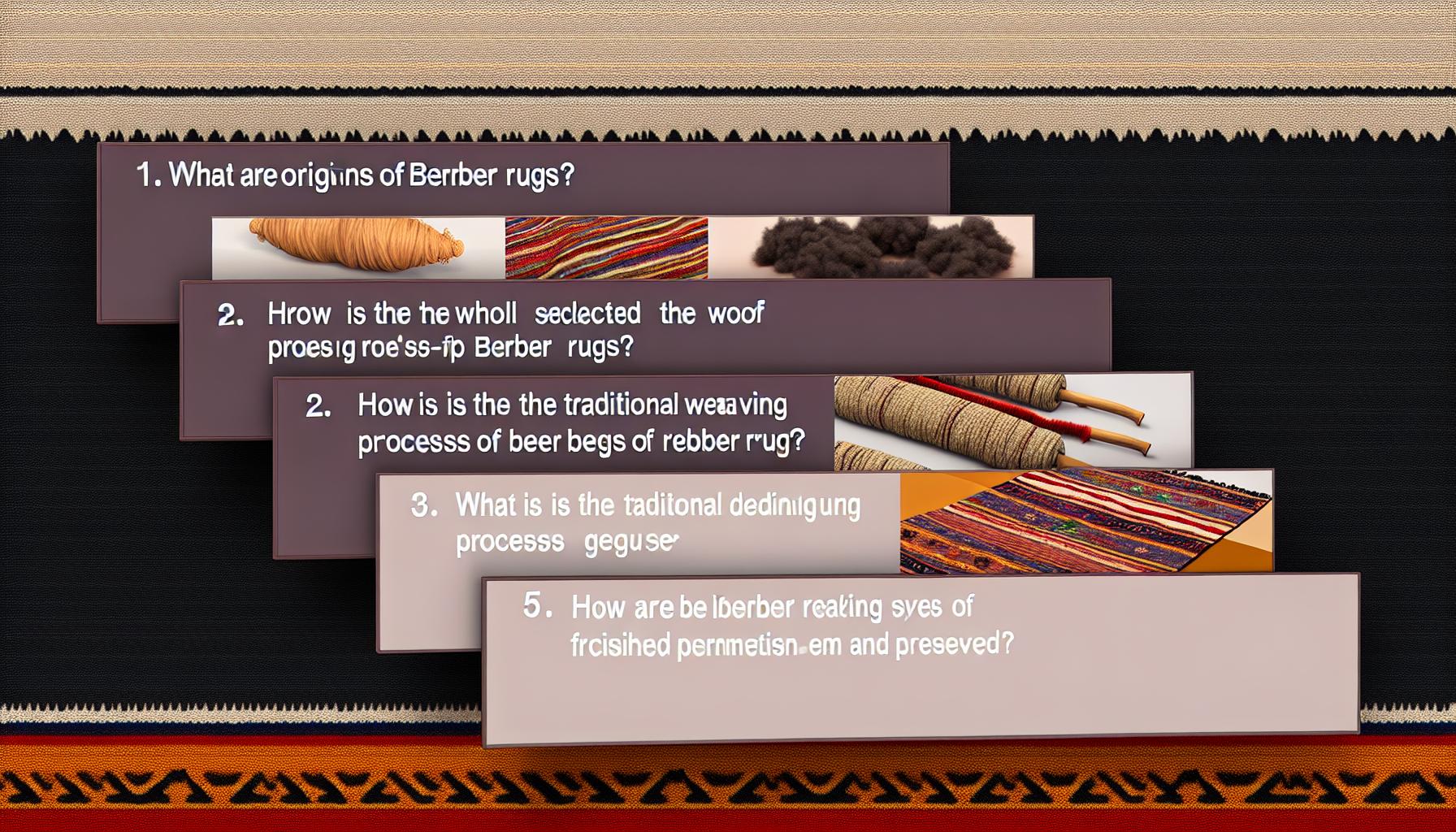
The quality of a Berber carpet is largely based on the raw material used, including wool. Berber artisans pay great attention to the selection of this wool, which must be both soft, resistant and able to absorb natural dyes well.
The wool usually comes from sheep raised in the mountains of Morocco. It is often chosen according to its finesse and density. A top quality wool will give the carpet a better durability while maintaining a pleasant touch.
Before being used, wool undergoes careful sorting. The fibres damaged or too rough are removed to keep only those that meet the requirements of the artisans. This work also ensures consistency in the thickness of the wire, essential for weaving.
After this sorting, the wool is washed with clear water to remove all impurities and natural oil, then it is carded to untangle the fibres. This step then facilitates spinning.
To learn more about Moroccan traditions and craft techniques, you can consult our article on and Moroccan markets.
Finally, for those who want to deepen their knowledge of the choice of Berber carpets, many online guides specialize in this complete guide offer a wealth of valuable information.
What is the traditional weaving process of Berber carpets?
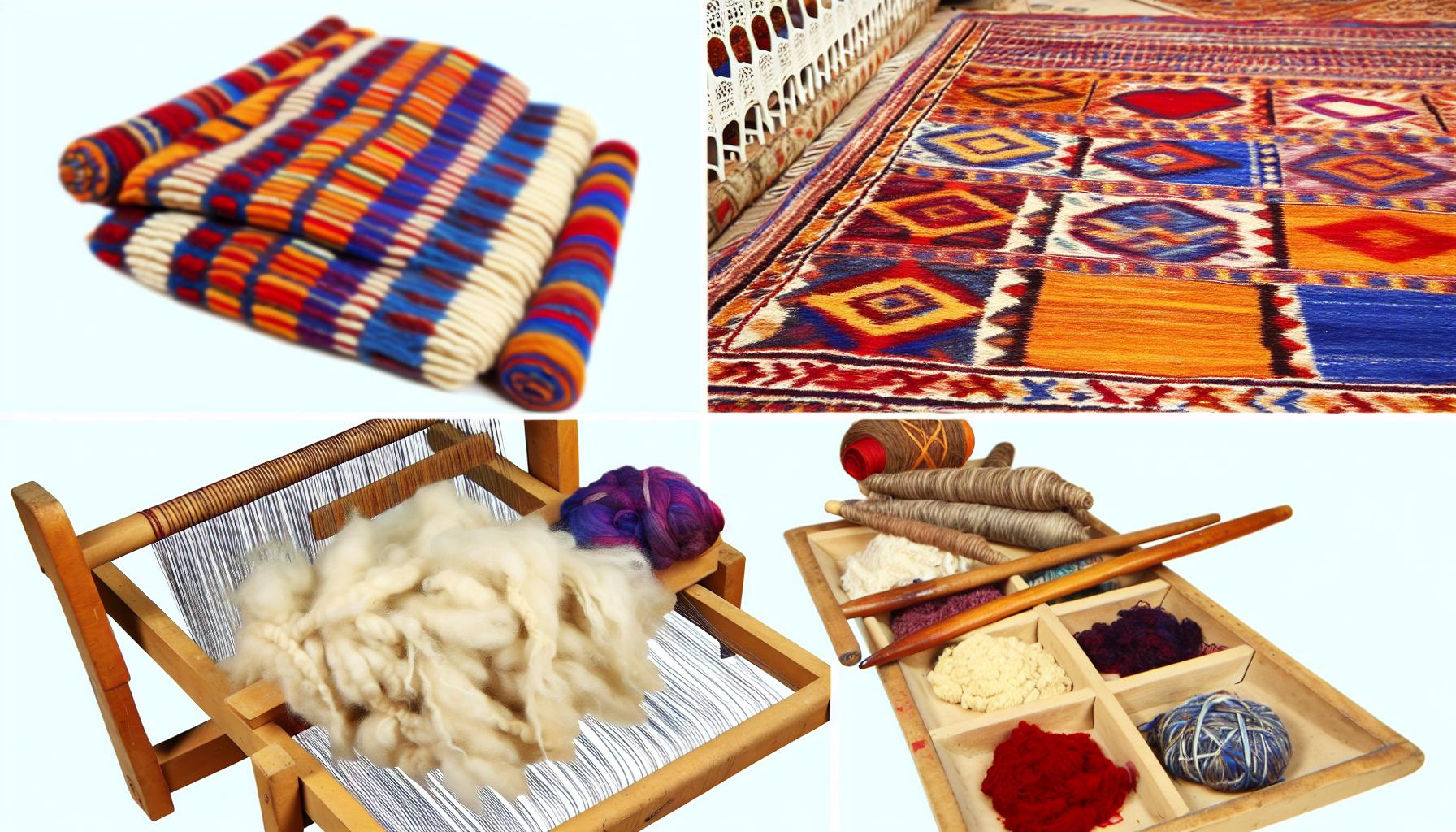
The traditional weaving of Berber carpets is an ancestral art transmitted from generation to generation. Each carpet is hand made, with particular attention to each detail. The process begins with the preparation of wool, usually from local sheep, which is carefully washed and carded.
Next, wool is dyed using natural dyes extracted from plants and minerals, giving carpets their bright and unique hues. The choice of patterns and colours is often charged with strong cultural symbols that reflect the identity of Berber tribes.
The heart of the work lies in the weaving itself, carried out on a traditional vertical trade. Berber women create the nodes one by one, following a precise drawing transmitted orally or drawn on paper. This stage requires patience and know-how, which can take several weeks or even months depending on the size and complexity of the carpet.
After weaving, the carpet is cut out of the craft and the finishing is done by hand, thus guaranteeing exceptional quality and durability. This precious craft is a living testimony of Berber traditions, which you can discover more by exploring our article on Moroccan crafts and markets.
To deepen your knowledge of this fascinating tradition, we also recommend this comprehensive external resource: How Berber carpets are manufactured.
What dyeing techniques are used?
Berber carpet dyeing is an ancestral art that mainly uses natural dyes extracted from plants, insects and minerals. These dyes give carpets their rich and authentic hues, which vary by region and tribe.
Among traditional techniques, indigo dyeing is very popular to obtain beautiful deep blue tones. Similarly, garance is used to produce intense reds and oranges, while gall nuts are used for brown shades.
Beyond natural methods, some artisans now integrate synthetic dyes to meet a wider and economical demand, while maintaining the spirit and quality of traditional work.
To learn more about Moroccan craftsmanship, please consult our article on Moroccan crafts and markets.
If you want to deepen recent innovations in the textile sector, article on textile printing trends will offer you an interesting overview.
How are Berber carpets finished and preserved?
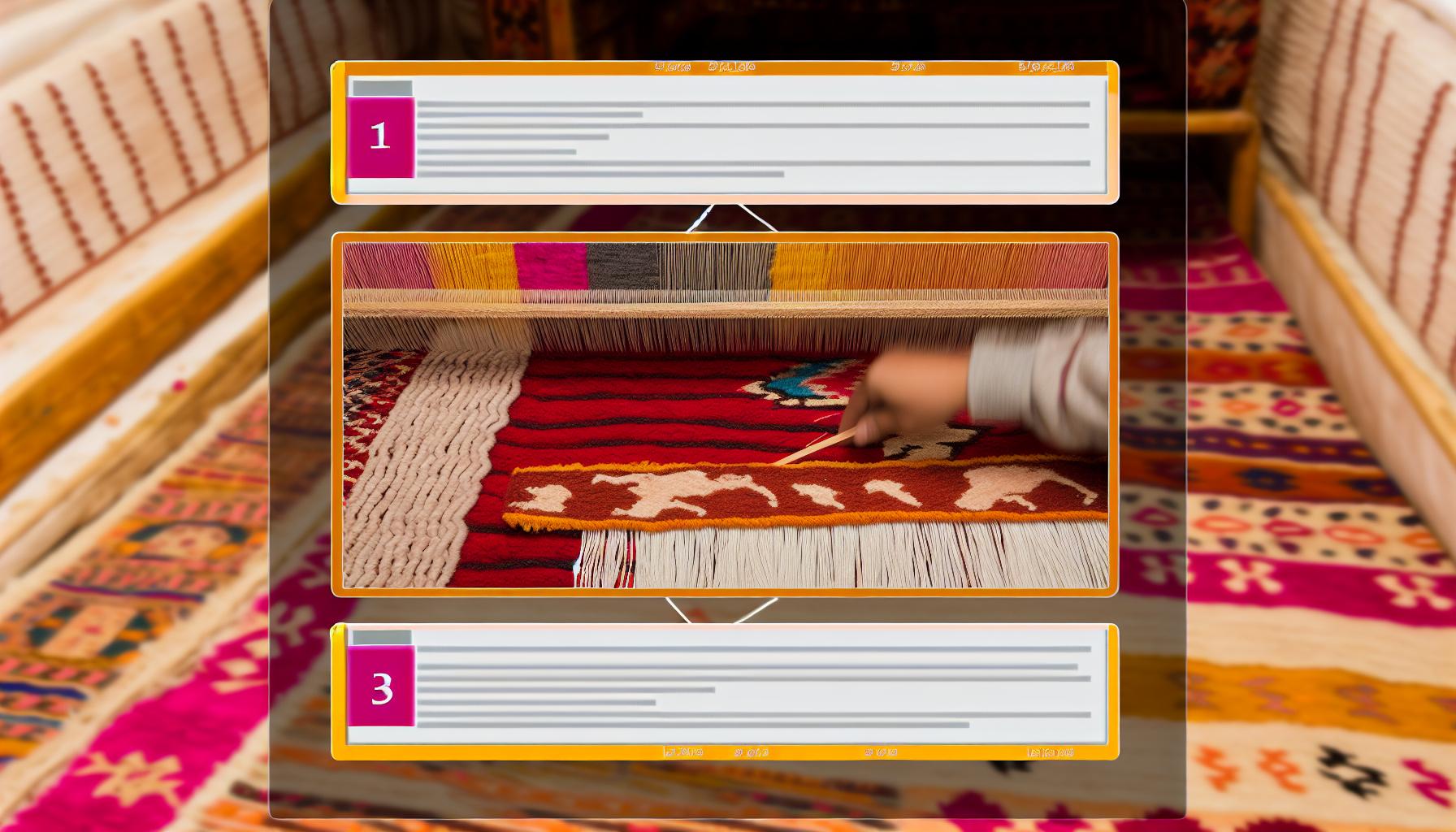
The finish of a Berber carpet is a crucial step that guarantees its durability and aesthetic quality. Once the weaving is complete, the edges are firmly hewn by hand to avoid any premature scratching or wear. Often, artisans tie the ends to strengthen the structure.
To preserve the beauty and robustness of the carpet, a natural treatment against moths and dust is applied. This treatment also allows to fix the colors, thus ensuring that the traditional patterns remain bright over time.
The choice of materials used during manufacture also determines the longevity of the carpet. Traditional Berber carpets, woven in high quality wool, enjoy good wear resistance and can be transmitted from generation to generation.
For a suitable interview, do not hesitate to consult specialist advice such as those available on Bazar carpet. Here you will find tips to clean and maintain your Berber carpet without damaging it.
Finally, to discover more about history and artisanal know-how in Morocco, a trip to cities like Chefchaouen is an excellent opportunity to observe these living and authentic traditions.
In conclusion, Berber carpets are the result of ancestral know-how and a unique tradition. From the selection of wool to dyeing to weaving, every step of the manufacturing process is marked by thoroughness and passion. The traditional techniques used guarantee the quality and authenticity of these unique carpets. Thanks to expert hands and methods passed on from generation to generation, Berber carpets continue to represent a symbol of Berber craftsmanship and culture. They bring warmth and authenticity to our interiors, while perpetuating a centuries-old tradition.
[contact-form-7 id= »6204c24′′ title= »Subscribe to our personalized newsletter »]