Explore the secrets of Morocco!
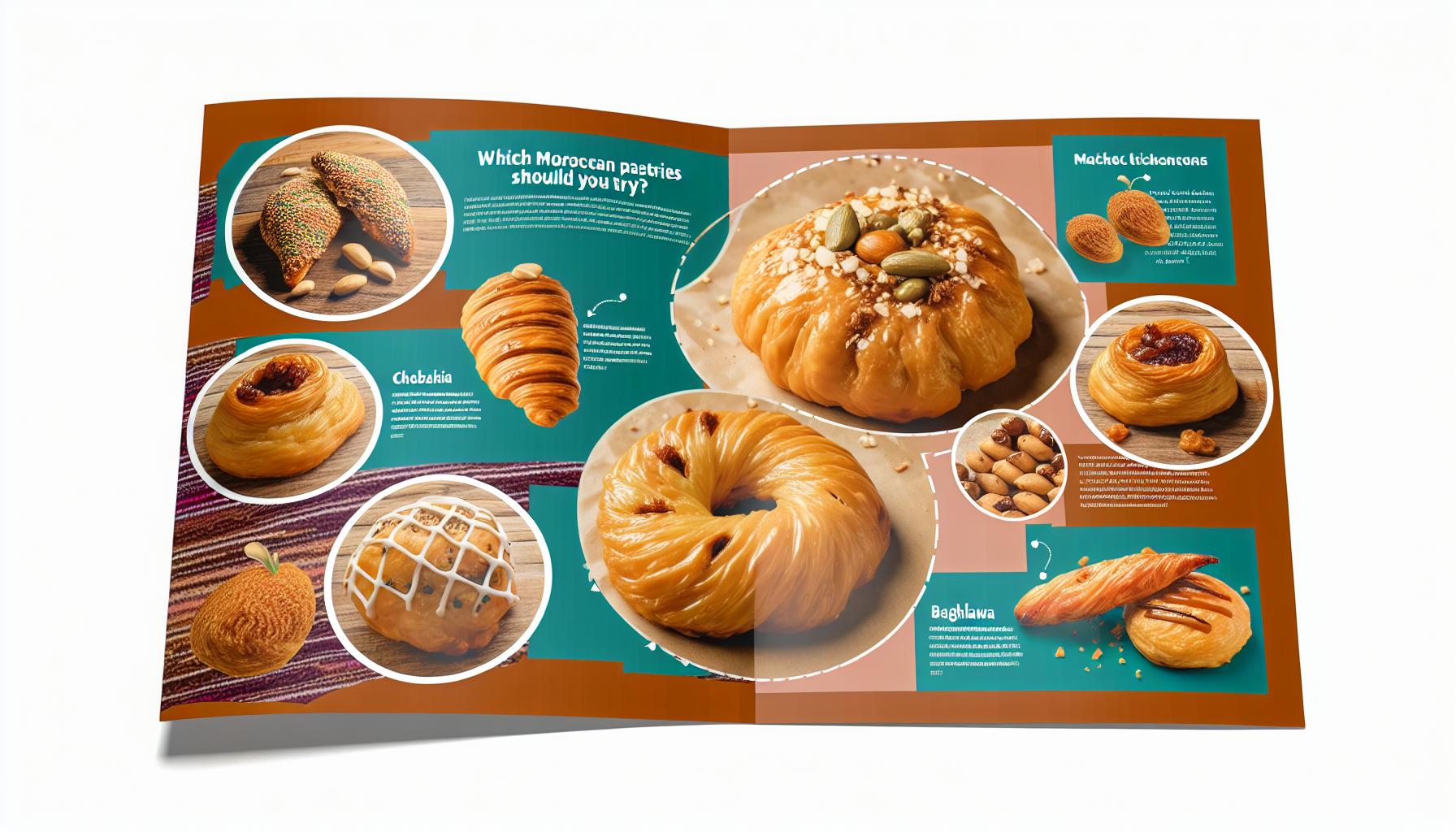
Moroccan pastries are a real treat for taste buds, offering an explosion of flavours and traditions. Among the must-sees of Moroccan pastry is delights such as the Chebakia, the gazelle horns, baklawa and Baghrir. These traditional sweets are a true symbol of Moroccan cuisine and offer a unique gourmet experience at every bite.
Every Moroccan pastry has its own history and recipe, often passed on from generation to generation. Traditional ingredients used in making these delicacies include almonds, dates, honey, cinnamon and orange blossom. These exotic flavours blend perfectly to create unique and refined desserts.
You wonder what Moroccan pastries are the most symbolic? How to prepare emblematic delicacies like the Chebakia ? Looking for ideal pastry ideas to accompany a delicious mint tea? Or, what Moroccan pastries should be on your list of discoveries?
This blog is there to answer all your questions and guide you through the universe of Moroccan pastries and Traditional pastries. Discover authentic recipes, tasting tips and a ranking of the best sweets to satisfy your taste. Welcome to the tasty world of Oriental desserts and Moroccan cuisine!
What are the most symbolic Moroccan pastries?
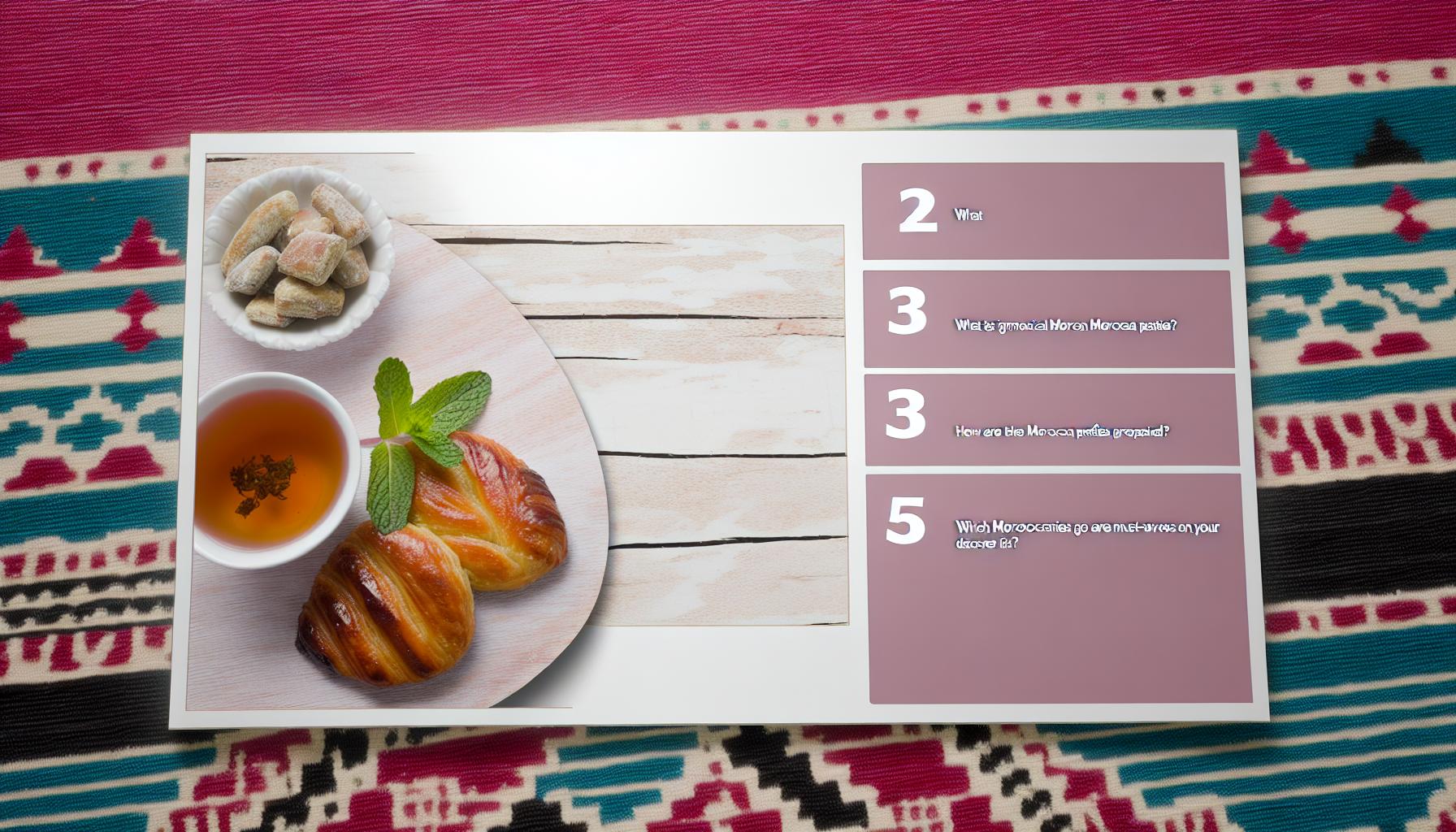
Morocco is renowned for its pastries rich in flavours and history. One of the most symbolic is the horn of gazelle, a flaky delicacies garnished with almond paste fragrant with orange blossom. This pastry perfectly embodies the elegance and refinement of Moroccan cuisine.
Another must be the Chebakia : a fried pastry, wrapped in the shape of a flower and coated with honey and sesame seeds. Traditionally associated with Ramadan, it is a symbol of generosity and celebration.
The basboussa and salty are also sweets very present on great occasions. Basboussa, made of semolina and perfumed with coconut, seduces by its mellow texture. Salt is a mixture of grilled flour, almonds and honey, very energetic and tasty.
To discover these culinary treasures during your trip, do not hesitate to consult our guide on imperial and must-see cities Morocco, where each city offers its own touch to traditional pastries.
Finally, to deepen your knowledge of oriental pastry, the site Odelice offers a selection of authentic and easy to make recipes at home.
What are the traditional ingredients used in Moroccan pastries?
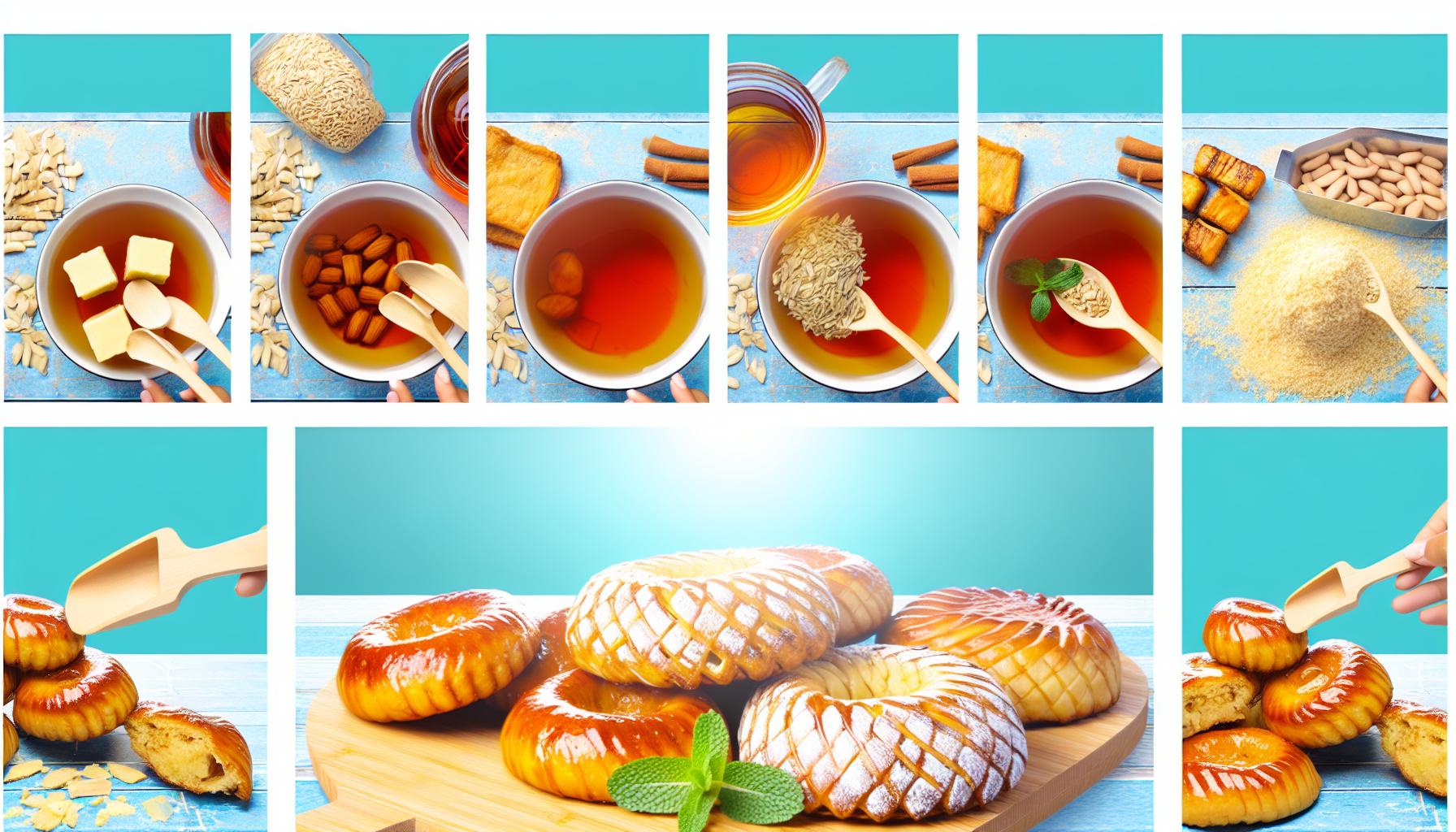
Moroccan pastries are distinguished by the use of simple ingredients but rich in flavours and history. Among the most common components, we find the semolina, the basis of many sweets that bring a unique and slightly granular texture.
Honey is another key ingredient, used for its natural sweet taste and its ability to bind preparations, giving a shiny appearance and intense sweetness. It is often mixed with spices such as cinnamon or orange blossom, an essential ingredient that delicately perfumes desserts.
Almonds, a pillar of Moroccan pastries, give these sweets a rich and a very appreciated crunch. They are often finely chopped or processed into almond paste, especially in famous gazelles or gazelle horns.
It also frequently uses filo paste, a very fine leaf that allows to give crispy to certain pastries such as the Chebakia. The latter is also prepared with sesame, added for its taste and crunch.
Finally, spices such as anise, cardamom or nutmeg often punctuate recipes, offering a typical Moroccan flavour. To learn more about the culture and flavours of Morocco, you can read this article on imperial and must-see cities.
To learn more about the enrichment of pastries with these traditional ingredients, do not hesitate to consult this Wikipedia page dedicated to Moroccan pastry.
How do iconic Moroccan pastries like chebakia prepare themselves?
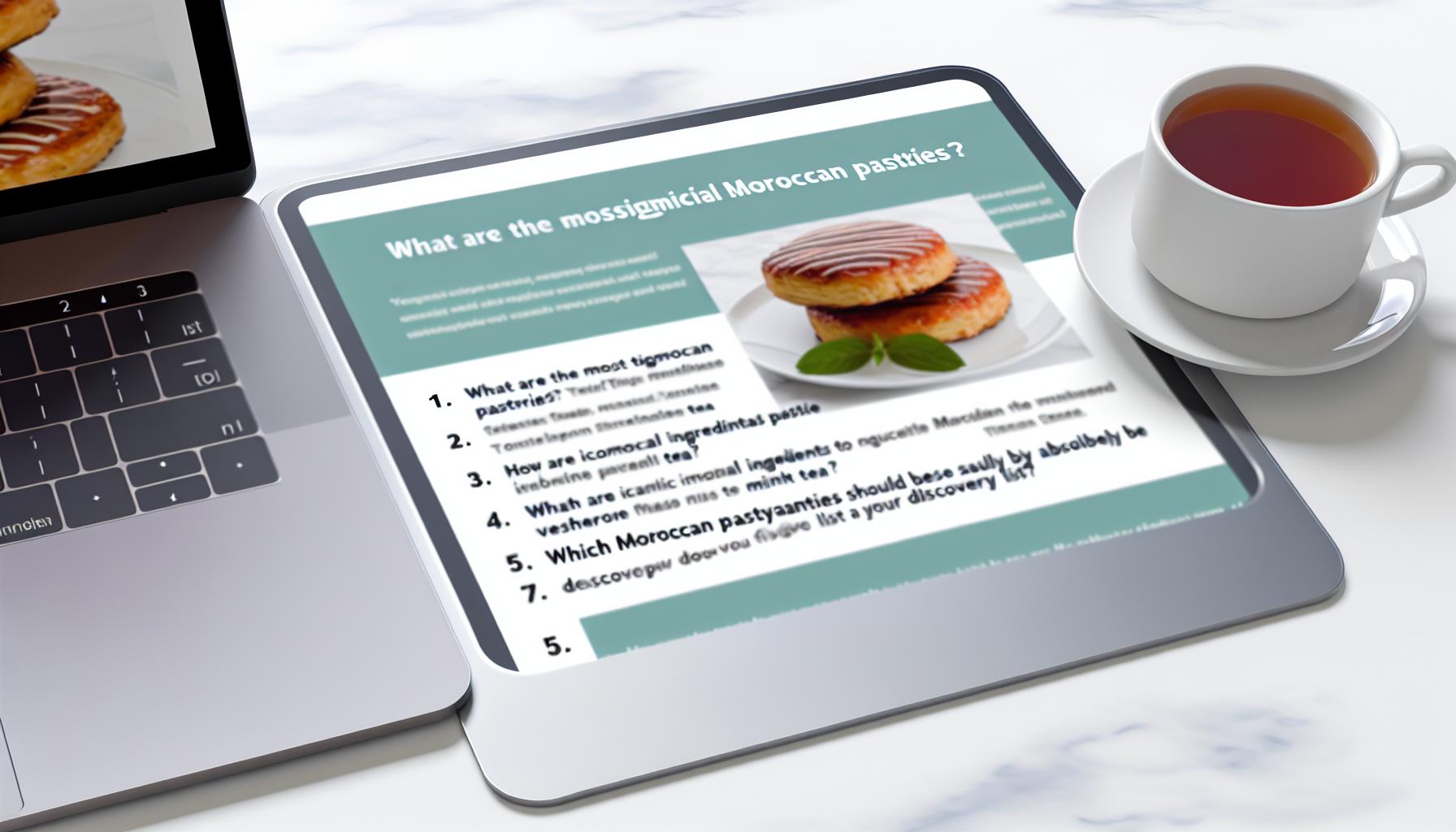
Preparation of Moroccan pastries, including the famous Chebakia, is a real art that is passed on from generation to generation. This gourmet, very popular during Ramadan, is composed of simple ingredients but requires a precise technique to obtain its characteristic shape.
The process begins with making a flour-based paste, roasted sesame, anise, cinnamon and orange blossom. The dough is rolled, cut into strips, then shaped into delicate and complex patterns before being fried in hot oil.
After frying, the chebakias are delicately soaked in a syrup flavoured with honey and orange blossom, giving them a sweet taste and a unique melting texture. This step is essential to give them shine and softness.
To discover more Moroccan culinary and cultural traditions, do not hesitate to visit our section dedicated to Moroccan crafts and markets, where local flavours and know-how mix.
For those who want to follow a specific recipe, online resources like this specialized site offer detailed tutorials to succeed this iconic pastry.
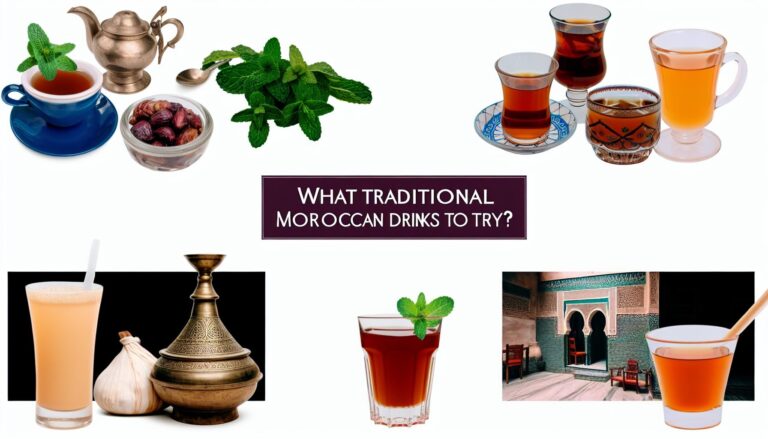
What are the ideal Moroccan pastries to accompany mint tea?
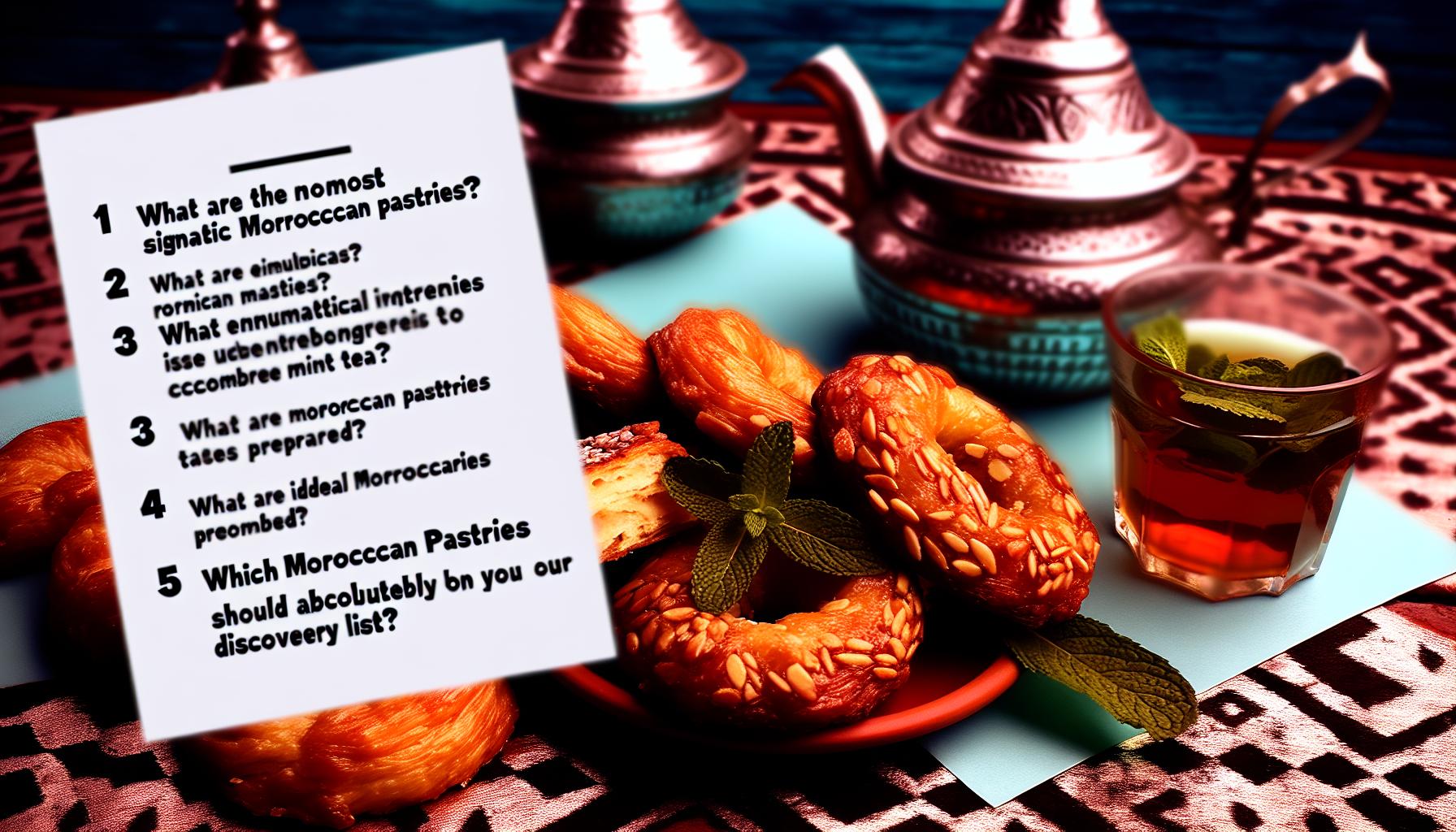
Mint tea is a must in Morocco, a symbol of hospitality and conviviality. To enhance this moment, it is essential to choose Moroccan pastries that are both delicate and tasty.
Among the classics, the gazelle horns are distinguished by their fine dough and stuffing with slightly sweet almonds. Their balanced sweetness is perfectly blended with the bitterness of tea.
The ghriba, small biscuits melted with coconut or almonds, are also very appreciated for their light texture which contrasts pleasantly with the freshness of tea.
The Chebakia, rich and fragrant pastry, in the shape of a flower, are deliciously coated with honey and sesame seeds. They bring a gourmet and festive touch to the tea breaks.
Finally, the msemen or laminated pancakes, often stuffed with dates or honey, offer a more consistent alternative to accompany tea at any time of the day.
To learn more about the traditional preparation of mint tea and its secrets, I recommend this complete guide on the Moroccan mint tea.
If you want to discover other specialties and the charm of Moroccan cities, do not hesitate to consult our article on imperial and must-see cities.
Which Moroccan pastries must be included in your list of discoveries?
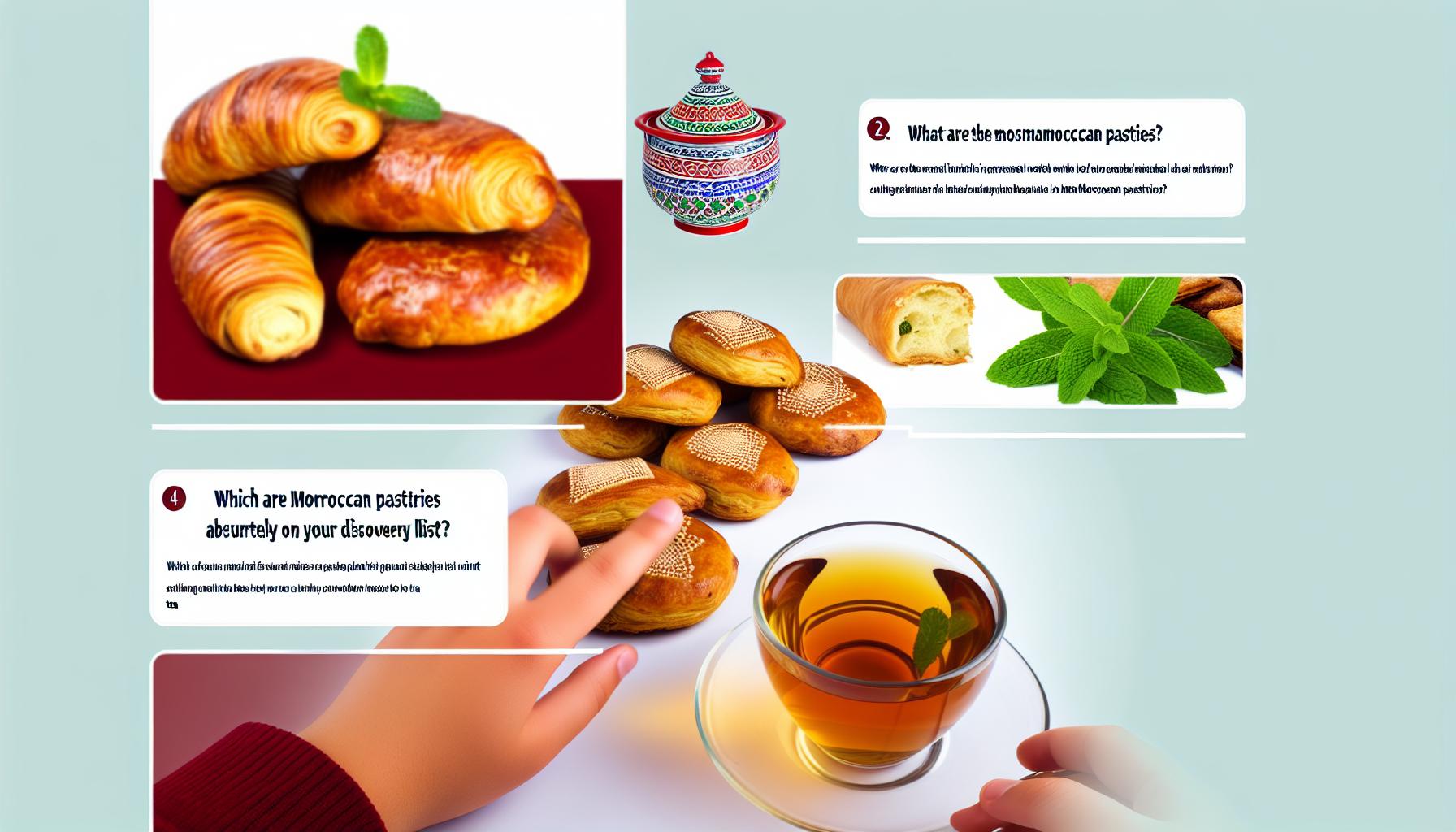
The richness of Moroccan pastry is an invitation to travel, mixing delicate flavours and surprising textures. Amongst the must-haves, the makrout are distinguished by their flour-based dough and their sweet heart of dates or figs, all delicately fried and soaked in honey.
Another star is undoubtedly the milk pastilla, a light and melting dessert that you will appreciate for its subtle sweetness and finesse. Find also the ghriba, crispy sandy with orange blossom or almonds, perfect for a mint tea.
For a more gourmet discovery, do not miss the Chebakia, these delicate flower-shaped pastries, fried and then soaked in honey fragrant with orange and sesame seeds. Each region of Morocco offers its specialties, don't hesitate to explore the various flavors, including imperial and must-see cities.
To go further in your culinary discovery, you can also consult various recipes or follow emerging talents on platforms like this YouTube video dedicated to Moroccan pastry.
In conclusion, Moroccan pastries are full of flavours and traditions that will delight taste buds from all over the world. Sweets such as gazelle horns, fekkas or briouates will not fail to seduce you. This Moroccan culinary art is steeped in history and know-how, where traditional ingredients such as almonds, dates and orange blossom are in the spotlight.
We strongly recommend that you taste these sweet delights by accompanying your mint tea, for an unforgettable taste experience. Don't forget to put on your list of discoveries pastries like msemen, salty or the famous chebakia. Let yourself be carried away by this tasteful journey in the heart of Moroccan cuisine!
[contact-form-7 id= »6204c24′′ title= »Subscribe to our personalized newsletter »]