Explore the secrets of Morocco!
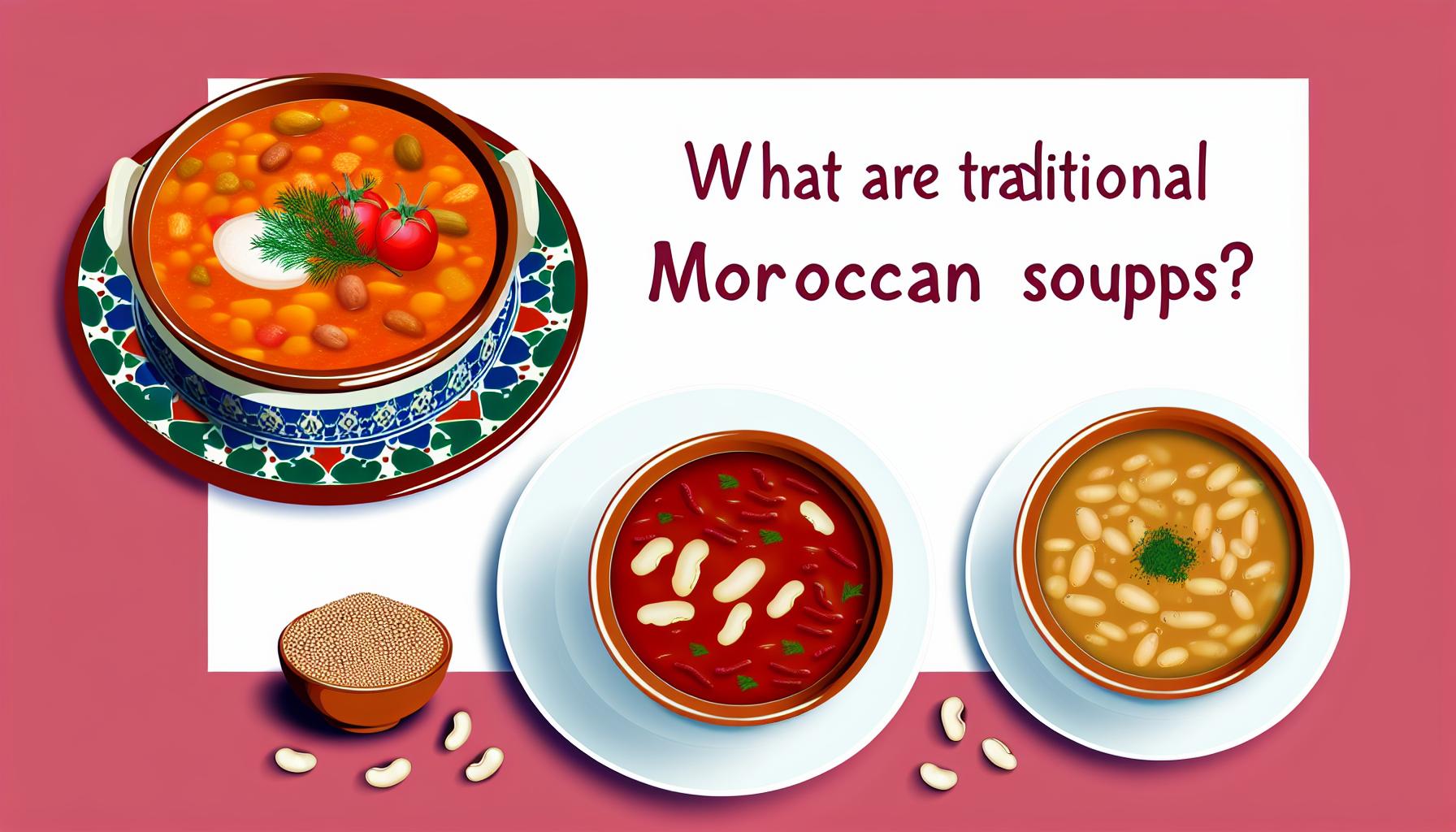
Dive into the world of delicious Moroccan traditional soups through our blog entitled « What are the traditional Moroccan soups? ». That you are an amateur of Moroccan soup confirmed or simply curious to discover new flavors, you are in the right place.
The undisputed star of Moroccan cuisine, the Harira, occupies a prominent place in this blog. This soup rich in tomatoes, legumes and spices is much more than just a traditional dish: it embodies a whole culinary identity. Discover its history, its role in Moroccan culture and let yourself be seduced by its unique flavor, ideal for winter evenings or during the Ramadan.
You will also be seduced by the Bissara, a velvety of broken beans or peas that warms the heart and stomach. Learn to prepare this comforting soup, perfect for a complete and balanced meal, both nourishing and delicious.
Explore the other treasures of the Moroccan cuisine traditional soups. Discover the secrets of preparation, the essential ingredients and let yourself be carried away by the enchanting aromas of these emblematic dishes.
Dive into the fascinating universe of winter soupslamb soups and authentic recipes that have passed through the generations, while reflecting Moroccan culinary traditions. From Traditional soup In traditional soup, let yourself be enchanted by these flavours that will bring you to the heart of this country a thousand and a fragrance.
What is the role of Harira in Moroccan culture?
The Harira is much more than just a soup in Morocco: it embodies a true culinary and social tradition. Mainly consumed during the holy month of Ramadan, this nourishing soup marks the breaking of fasting with a hot dish, rich in flavors and history.
It symbolizes conviviality and sharing, bringing together families and friends around the table. This ancestral recipe combines meat, vegetables, legumes and spices, reflecting the diversity of ingredients of Moroccan terroir.
Beyond its food aspect, the Harira is also a cultural element, present in many festivals and events. It represents a link between generations, between modernity and traditions, uniting Moroccans in their culinary heritage.
To better understand the importance of this soup and discover other mythical recipes, do not hesitate to explore our article on Imperial cities of Morocco and their culinary specialties, which make the country rich.
To learn more about the history and many facets of the Harira, consult this comprehensive resource Feel Morocco – Harira.
How to prepare Bissara soup?
Bissara soup is a Moroccan specialty based on broken peas, very appreciated for its simplicity and comforting virtues. It is usually eaten in winter and is a traditional dish rich in flavours and benefits.
To prepare this delicious soup, you will need mainly broken peas, water, olive oil, cumin, as well as garlic and salt. It is possible to add a little paprika or chili according to your taste.
The preparation begins with soaking the broken peas to soften them, before cooking them gently until they get a smooth and thick texture. Then, season with spices and olive oil to enhance taste.
To learn more about Moroccan culinary traditions and discover other specialties, please consult our article on Marrakech, the red city, a region rich in gastronomy.
If you want to follow a detailed recipe to succeed your bissara to perfection, we recommend this complete guide available on Head.
What are the other traditional Moroccan soups?
Besides the famous Harira, Morocco is full of many traditional soups that delight taste buds. These recipes, often made from fresh vegetables, spices and legumes, bear witness to Morocco's rich culinary heritage.
Among the most appreciated, the Bissara is a thick soup made of beans or broken peas, often served with olive oil and cumin. It is a simple dish but very widely consumed during the winter months.
We also find the Chorba, a light and fragrant soup, often prepared with meat and vegetables, ideal to start a traditional Moroccan meal. Each region brings its personal touch, making it a must to discover.
For those who wish to explore more Moroccan cuisine, do not hesitate to visit emblematic cities like Marrakech, the red city, where soups and other traditional dishes are omnipresent in local souks and restaurants.
Finally, if you want to deepen your knowledge of the recipes and secrets of Moroccan soups, this complete guide on the Moroccan culinary culture You'll be very helpful.
These soups reflect the diversity and richness of Moroccan gastronomy, inviting every gourmet to a journey of authentic and generous flavours.
What are the essential ingredients of Moroccan soups?
Moroccan traditional soups are rich in flavors and are based on a combination of fresh ingredients and spices typical of the country. The basic elements include seasonal vegetables such as tomatoes, carrots, zucchini and onions, which form the basis of a fragrant and nourishing broth.
Legumes also play a key role, including lentils, chickpeas and beans, which provide texture and protein essential to these comforting dishes. To raise these soups, fresh herbs such as coriander and parsley are essential.
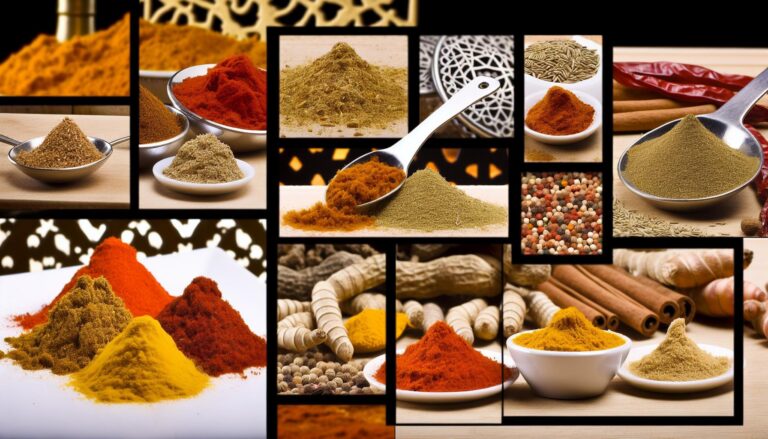
The final touch comes from spices, like cumin, ginger, turmeric, paprika, cinnamon and pepper, which offer this characteristic aromatic depth. Tomato concentrate is often added to enhance the richness of taste.
An iconic soup like the harira perfectly illustrates this balance between simple ingredients and intense flavours.
To discover more about the culinary and cultural richness of Morocco, do not hesitate to visit our sections on Marrakech and its gastronomic traditions.
How do these soups reflect Moroccan culinary traditions?
Traditional Moroccan soups such as harira or bissara are not only seasonal dishes; They embody all the soul and history of Morocco. Each recipe, passed on from generation to generation, bears witness to the unique culinary know-how of the country, subtly mixing spices, vegetables and legumes.
The rich ingredients used reflect the geographical and cultural diversity of Morocco. From the freshness of the vegetables of the Rif to the spices from the South, the soup perfectly illustrates the meeting of flavors and terroirs, a culinary heritage that is also found in other Moroccan specialities such as couscous (discover Moroccan couscous).
Beyond their delicious taste, these soups play an important social role. They are often prepared with family or during festive events, highlighting Moroccan conviviality and hospitality. Their preparation is also a time of sharing between different generations, strengthening cultural and family ties.
To better understand these culinary traditions, you can consult additional resources on Moroccan culture, such as this detailed article on the top 5 Moroccan soups or explore the emblematic cities of the country where these recipes take on their full meaning, including Marrakech and its typical gastronomy.
In conclusion, traditional Moroccan soups, such as Harira and Bissara, play an essential role in Moroccan culinary culture. Their preparation requires carefully selected ingredients that reflect local traditions. These soups are a real symbol of conviviality and generosity, often shared with family or on great occasions. By exploring the diversity of Moroccan soups, we discover the authenticity and richness of Morocco's culinary heritage, highlighting the know-how and creativity of Moroccan cooks.
[contact-form-7 id= »6204c24′′ title= »Subscribe to our personalized newsletter »]